



How to Sleep Better with Your Partner: 10 Tips for Better Sleep
Sharing a bed can bring couples closer, but different temperature preferences, sleeping positions, and nighttime habits can make restful sleep challenging.
The key to sleeping better together is to accommodate both partners’ needs. From choosing the right mattress to using separate blankets and managing snoring, these nine practical tips can help you sleep comfortably without sacrificing intimacy.
1. Find a Comfortable Sleeping Position for Both Partners
The most comfortable sleeping position for couples allows both people to relax without putting unnecessary pressure on their necks, shoulders, or backs.
Many couples enjoy cuddling before sleep and then moving into individual positions for the night. You don’t have to maintain physical contact all night to enjoy sharing a bed.
Common sleeping positions for couples include:

-
Spooning: Both sleeping partners lie on their sides, with one person positioned behind the other and facing the same direction. This position encourages physical closeness but may feel too warm if either partner overheats easily. In a 2016 study, spooning was the position most couples reported at night.
-
Back-to-back: Partners face opposite directions while lying close together. This position offers personal space while allowing some physical contact.
-
Face-to-face: Both partners lie on their sides facing each other. Some couples intertwine their legs, but maintaining this position throughout the night may become uncomfortable because of body heat or restricted movement.
-
Sleeping in opposite directions: Each person faces a different end of the bed or turns away from the other. This arrangement can provide more freedom to move.
How to Choose the Best Sleep Positions
Choose positions based on comfort, temperature preferences, and how much personal space each person needs.
For example, one partner can sleep on their side while the other sleeps on their back. There’s no need to force both people into the same position.

If cuddling feels too warm or restricts movement, enjoy physical contact before bedtime and then settle into separate positions. Choose pillows and a mattress that support each person’s preferred sleeping posture.
The takeaway: Prioritize comfortable, supported sleep over maintaining physical contact throughout the night.
2. Choose a Mattress That Works for Two People
A mattress that feels comfortable for one partner may not provide the same support for the other. Differences in body weight, sleeping positions, and firmness preferences can make choosing a shared mattress challenging.

Look for a mattress that balances these features:
-
Motion isolation: Reduces the extent to which one person’s movements disturb the other.
-
Suitable firmness: Provides comfortable support for both partners’ preferred sleeping positions.
-
Temperature regulation: Helps prevent excessive heat buildup during the night.
-
Adequate space: Gives both sleepers enough room to change positions comfortably.
-
Edge support: Helps maintain a stable sleeping surface, particularly when either person sleeps near the edge.
Is a Queen or King Mattress Better for Couples?
A queen mattress measures 60 × 80 inches, while a standard king measures 76 × 80 inches.
A queen works well for many couples with limited bedroom space. A king provides an additional 16 inches of width, which can be helpful if either partner moves frequently or prefers more personal space.
If you and your partner prefer different firmness levels, a split mattress or adjustable bed may offer more personalized comfort.
Before buying, check the trial period, return policy, and warranty. Testing the mattress together can help you determine whether it meets both partners’ needs.
3. Manage Different Sleep Temperature Preferences
Temperature differences can make sharing a bed uncomfortable. One partner may wake up feeling hot and sweaty, while the other feels cold even under a thick comforter.
A bedroom temperature of around 60°F–67°F is commonly recommended for sleep, although individual comfort varies. Rather than relying on one temperature setting or blanket to satisfy both people, adjust bedding and sleepwear to suit each partner.

If One Partner Sleeps Hot
Try these adjustments:
-
Choose breathable sheets made from materials such as cotton or linen.
-
Use a lightweight blanket or comforter that is easy to adjust.
-
Wear breathable sleepwear that feels comfortable throughout the night.
-
Keep the bedroom comfortably cool.
-
Avoid piling on heavy bedding when the room is already warm.

If you regularly wake up overheated, consider whether your mattress, pajamas, bedding, or bedroom temperature is contributing to the problem.
If One Partner Sleeps Cold
The colder partner can add warmth without making the entire bed hotter. Try warmer pajamas, an individual blanket, or a thicker comforter on their side.
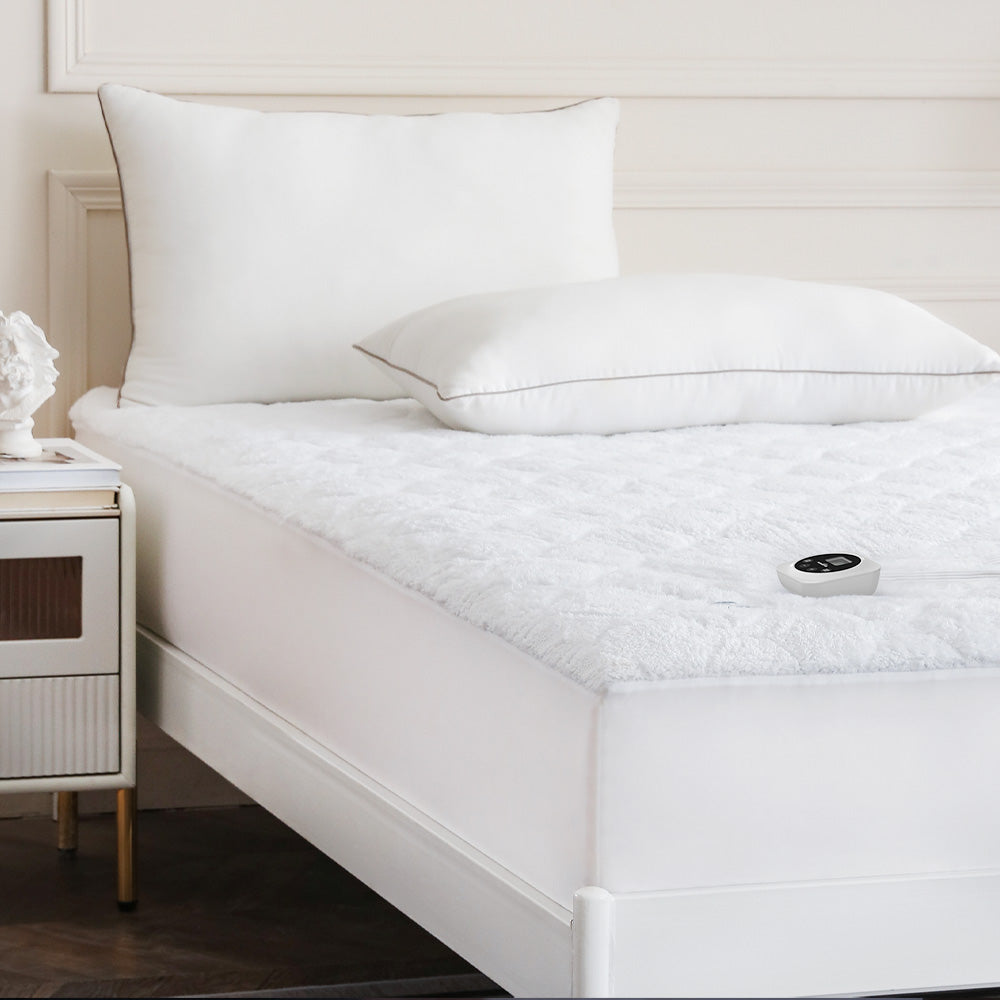
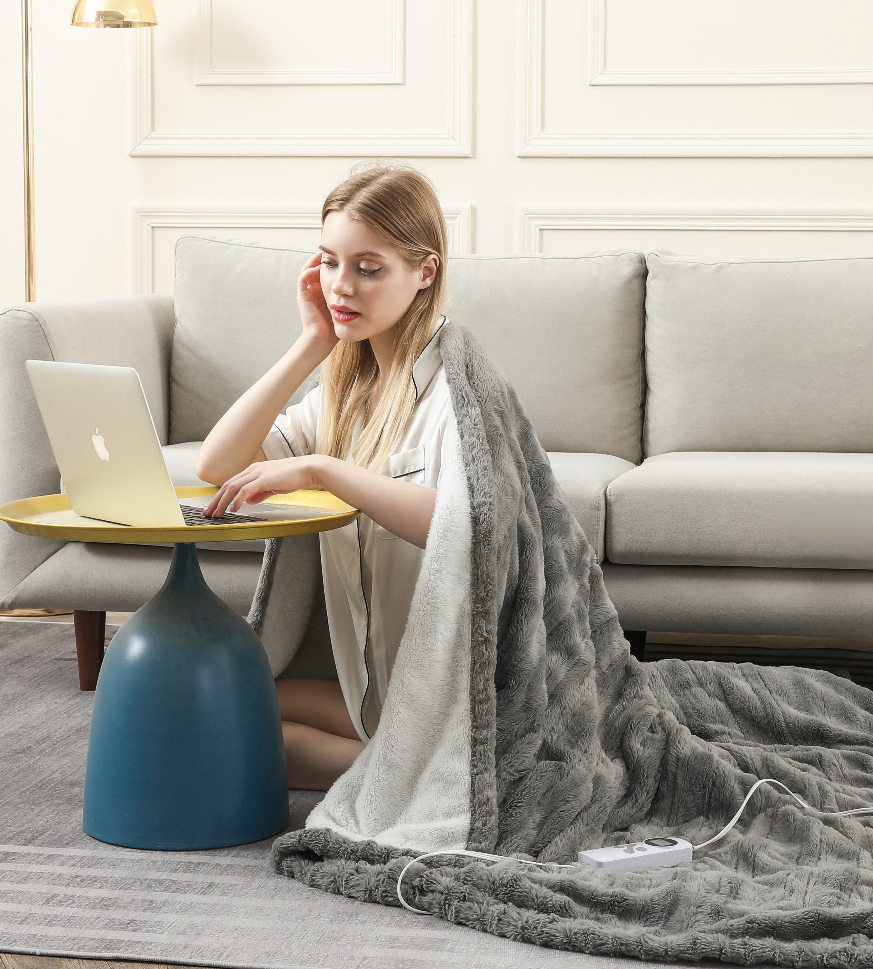
For couples with different temperature preferences, HOMLYNS heated blankets with dual-zone temperature controls can be a practical option. Each partner can adjust their side for personalized warmth, helping the colder sleeper stay cozy without making the other side unnecessarily warm. This flexibility can make it easier for couples to create a comfortable sleep environment and enjoy better sleep together.

Always follow the manufacturer’s instructions for temperature settings, operating duration, and overnight use. Only use a heated blanket overnight if the specific model’s instructions permit it.
4. Try Sleeping With Separate Blankets
If you and your partner frequently fight over the covers or prefer different levels of warmth, using separate blankets can make sharing a bed more comfortable.
Sometimes called the Scandinavian sleep method, this arrangement allows couples to share a bed while using individual duvets or comforters instead of one shared cover.

Benefits of Separate Blankets for Couples
-
Independent temperature control: One partner can use a thick comforter while the other sleeps under a lightweight blanket.
-
Less blanket tugging: Individual covers reduce the chance of one person pulling the other person’s bedding away during the night.
-
More freedom to move: Each partner can adjust their blanket, change sleeping positions, or uncover their feet with fewer disturbances.
-
Different bedtime preferences: Separate blankets can make it easier for partners with different schedules to settle into bed without disturbing each other.
How to Set Up Separate Blankets
Start with two blankets that cover each person’s side of the bed. They can match in color and style while differing in thickness, material, or weight.
For example, one partner might prefer a lightweight cotton blanket, while the other chooses a plush comforter for extra warmth.
If you enjoy cuddling before sleep, you can share a lightweight top layer and then switch to individual blankets when you’re ready to rest.
Separate blankets won’t eliminate every disturbance, however. Mattress movement, snoring, and noise may still affect either partner.
5. Establish a Bedtime Routine That Works for Both Partners
Different schedules can make sharing a bed difficult. One person might go to sleep at 9:30 p.m., while the other prefers staying up until midnight.
If the later sleeper turns on bright lights, watches videos without headphones, or repeatedly gets in and out of bed, the earlier sleeper may struggle to stay asleep.
You don’t need identical schedules. Instead, agree on a few habits that minimize disturbances and respect both partners’ sleep routines.
Create a Couple-Friendly Nighttime Routine
-
Dim the lights: Use a bedside lamp instead of the main bedroom light when one partner is already in bed.
-
Reduce screen distractions: Lower screen brightness and silence unnecessary notifications.
-
Keep noise down: Use headphones for videos or audio when appropriate.
-
Prepare for bed separately if needed: Allow each person to complete their nighttime routine without rushing the other.
-
Discuss bedtime expectations: Agree on practical ways to enter the room, get into bed, and wake up without unnecessary disruption.

If your schedules differ significantly, spend some time together before the earlier sleeper goes to bed.
The goal is to create shared habits that protect both partners’ sleep, even when their preferred bedtimes differ.
6. Reduce Snoring, Tossing, and Turning
Snoring and frequent tossing or turning can interrupt a partner’s sleep, even when the mattress is comfortable. The best solution depends on the cause, which may involve bedding, sleeping habits, or an underlying sleep disorder.
If Your Partner Tosses and Turns
Choose a mattress with good motion isolation to minimize the impact of your partner’s movements and ensure there is enough room for both partners to move comfortably.
If the mattress is old or sagging, replacing it may help. However, persistent or unusual movements may have other causes. If frequent movements regularly disrupt sleep, discuss them with a healthcare professional rather than assuming the mattress is the only problem.
If Your Partner Snores
Snoring may be influenced by sleeping position, nasal congestion, alcohol use, or other factors. Side sleeping may help some people snore less, but the right approach depends on the cause.
Earplugs or white noise may help reduce the impact of sound for some people. Persistent snoring may also warrant medical evaluation.
Loud snoring accompanied by gasping, choking, or pauses in breathing can be a sign of obstructive sleep apnea. These symptoms should be evaluated by a healthcare professional.
If Light or Noise Wakes You Up
Blackout curtains, a comfortable eye mask, or a white noise machine may help create a more restful sleeping environment.

Choose solutions that work for both partners. For example, white noise may help one person sleep but annoy the other, so consider individual preferences when deciding which options to try.
7. Choose Pillows That Suit Each Person
Couples don’t need to share identical pillows. The right pillow depends on sleeping position, body proportions, and personal comfort.
A pillow that supports one partner’s neck may feel uncomfortable to the other. Consider these general guidelines:
-
Side sleepers: Often benefit from a pillow with enough height to fill the space between the head and mattress, which can support better alignment and improve sleep quality.
-
Back sleepers: May prefer a pillow that supports the head and neck without pushing the head too far forward.
-
Stomach sleepers: Often prefer a thinner pillow to limit excessive neck rotation.

These are starting points rather than universal rules. Comfort, spinal alignment, and any existing neck or back concerns should guide your choice.
If one partner prefers a firm pillow and the other likes a soft one, simply use different pillows.
You can also keep extra pillows nearby for reading, relaxing, or adjusting your position before falling asleep.
8. Make Your Bedroom Comfortable for Both Partners
Once you’ve addressed mattress comfort, bedding, and nighttime disturbances, review the bedroom as a whole. Lighting, clutter, noise, and pets can also affect how comfortably you and your partner sleep.

Use this checklist to identify areas for improvement:
|
Bedroom Factor |
Practical Adjustment |
|
Temperature |
Find a comfortable setting and adjust individual bedding to suit each partner. |
|
Use blackout curtains or eye masks to reduce unwanted light. |
|
|
Bedding |
Choose comfortable materials and separate blankets if needed. |
|
Sleeping Space |
Remove unnecessary clutter and ensure both partners have enough room. |
|
Reduce background noise or try white noise if both partners find it helpful. |
|
|
Sleepwear |
Choose clothing that suits each person’s temperature preferences. |
|
Consider whether pet movement, noise, or use of sleeping space disrupts either partner. |
You don’t need to redesign the entire bedroom to make meaningful improvements. Start with the factors that repeatedly disturb either partner.
For example, if one person wakes up because the other pulls away the comforter, try separate blankets first. If both people wake up feeling hot, review the bedroom temperature and bedding before purchasing new furniture.
Making one change at a time can help you identify what actually improves your comfort.
9. Make Time for Relaxation Before Bed
A busy day can make it difficult to unwind, especially when partners have different work schedules, responsibilities, or stress levels. Taking a little time to relax before bed can help both partners transition from daily activities to sleep.
Instead of going straight from work, chores, or screen time to bed, try creating a simple wind-down routine you can enjoy together.
Ways to Relax Together Before Bed

-
Talk about your day: Spend a few minutes catching up without checking your phones.
-
Read together: Enjoy a book or read quietly side by side to create a calmer atmosphere.
-
Practice gentle stretching: Try a few comfortable stretches to release tension after sitting or standing all day.
-
Reduce stimulating activities: Avoid intense conversations, work tasks, or activities that leave either partner feeling more alert.
-
Make time for affection: Cuddle, hold hands, or share a few quiet moments before settling into your preferred sleeping positions.
You don’t need to follow the same routine every night. If one partner prefers reading while the other enjoys listening to relaxing music, allow room for individual preferences.
The goal is to create a peaceful transition to bedtime without adding pressure to your evening. A relaxing routine can help both partners feel more connected while preparing for a comfortable night’s sleep.
10. Consider Sleeping Separately if Sharing a Bed Disrupts Your Sleep
Sharing a bed is common, but it isn’t the only arrangement that works for couples. If different schedules, persistent snoring, frequent movement, or incompatible comfort needs continue to disrupt sleep, separate beds or bedrooms may be worth considering. For some couples, this change can help both partners achieve better quality sleep.
Sleeping separately doesn’t automatically indicate a relationship problem. For some couples, it is simply a practical way to get more consistent rest.

Before making a decision, try simpler adjustments such as separate blankets, a larger mattress, or changes to your bedtime routine.
If those changes don’t help, discuss other options without treating them as a reflection of relationship quality. You can maintain intimacy through shared evening routines, cuddling before bed, or spending time together in the morning.
The goal is for both partners to feel rested and supported, whether they sleep in the same bed or choose separate sleeping arrangements.
Final Thoughts
Learning how to sleep comfortably as a couple starts with understanding that both partners may have different needs.
A supportive mattress, comfortable bedding, fewer nighttime disturbances, and a bedtime routine that respects both schedules can make sharing a bed easier. If one partner sleeps hot while the other feels cold, separate blankets or independently adjustable heating options may help.
You don’t have to make every aspect of your sleep routine identical. The goal is to find an arrangement that allows both partners to rest well while maintaining the closeness they value.
FAQs
What is the most comfortable way for couples to sleep together?
The most comfortable arrangement depends on each partner’s sleeping position, temperature preferences, and need for personal space. Many couples cuddle before bed and then sleep in separate positions with individual pillows and blankets.
How can couples sleep comfortably when one person feels hot and the other feels cold?
Keep the bedroom at a comfortable temperature and use separate blankets with different warmth levels. A dual-zone heated blanket may also help each partner adjust their side independently.
Is it better for couples to sleep with separate blankets?
Separate blankets can help couples who have different temperature preferences or frequently pull covers away from each other. They provide independent control over warmth and coverage while allowing both partners to share the same bed.
What mattress size is best for couples?
A queen mattress measures 60 × 80 inches and works well for many couples. A king measures 76 × 80 inches, providing more room for movement. The best choice depends on bedroom space and individual sleeping habits.
How can I sleep comfortably with a partner who moves a lot?
Consider a mattress with good motion isolation, allow enough room for both sleepers, and use separate blankets. If frequent movements significantly disrupt sleep, investigate possible causes rather than assuming the mattress is the only issue.
Should couples sleep separately if one partner snores?
Not necessarily. Earplugs, white noise, or changes to the sleeping arrangement may help. However, persistent loud snoring, gasping, or pauses in breathing should be evaluated by a healthcare professional.
How can couples stay close while sleeping with separate blankets?
You can cuddle before bed, hold hands while relaxing, or spend time together in the morning. Separate blankets change how you share bedding, not how you express affection.
How can I prevent mattress sagging when sleeping with my partner?
Choose a supportive mattress, use a sturdy bed frame, rotate the mattress if recommended by the manufacturer, and ensure both partners have adequate sleeping space.
How can I stop hitting my partner in my sleep?
If you hit your partner while asleep, consider possible triggers, maintain a regular sleep schedule, and reduce alcohol use. If episodes recur or cause injury, consult a healthcare professional to investigate possible sleep disorders.




Leave a comment