



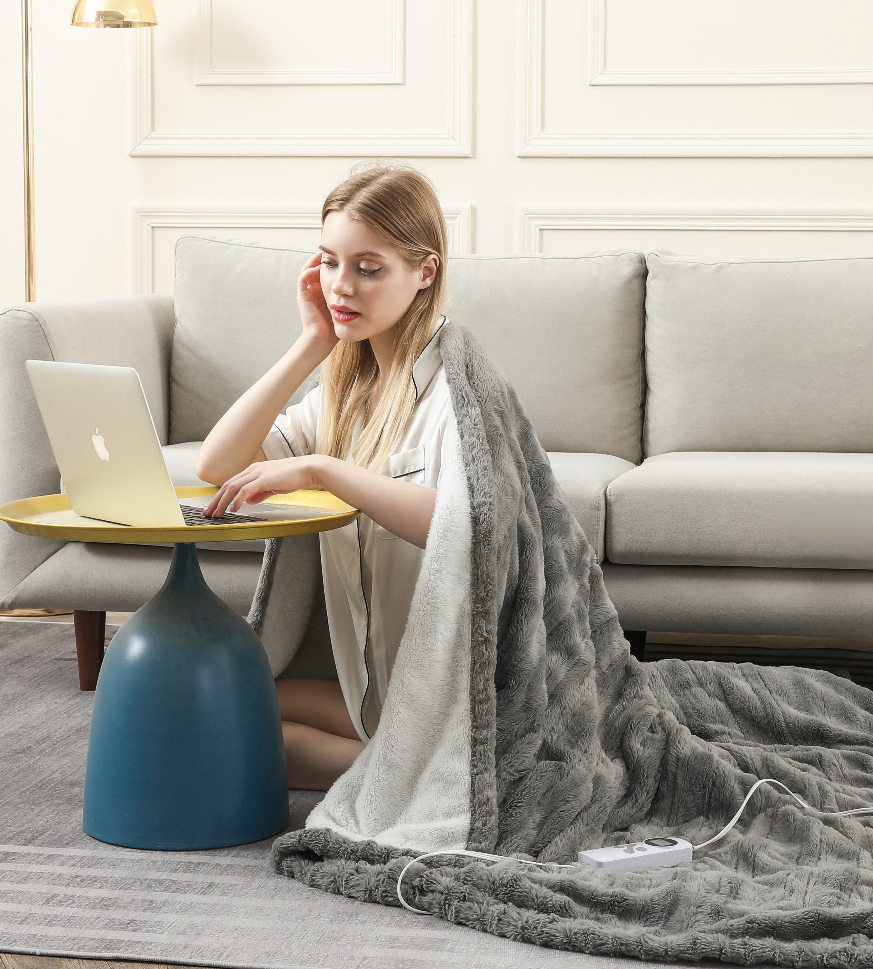
What is the Best Temperature for Sleep? 🌡️ Find Your Ideal Sleep Environment
We’ve all had nights like this—you’re tired, you finally get into bed… and then something feels off. Maybe it’s too hot, and the sheets feel sticky. Or it’s a bit too cold, and your feet just won’t warm up.
It sounds small, but temperature can quietly ruin your sleep.
So what’s actually the best temperature for sleep? 💤
For most adults, the ideal sleeping temperature is 60–67°F (15–19°C). But in real life, it’s rarely that simple. Your age, habits, even what you wear to bed—all of it plays a role.
Let’s dive into why temperature matters and how to make your bedroom perfectly cozy.
Why Temperature Affects Your Sleep More Than You Think (And the Science Behind It)
Here’s something a lot of people don’t think about: your body is already trying to cool itself down before you sleep.
This process is controlled by your internal body clock—your body's circadian rhythm—which quietly lowers your core body temperature in the evening and brings it back up in the morning.
In other words, your body is doing its part.

Diurnal Variation in Body Temperature
Source: https://commons.wikimedia.org/w/index.php?curid=111100008
The problem is, your environment doesn’t always cooperate.
A 2012 study published in the Journal of Physiological Anthropology found that exposure to extreme heat or cold can increase wakefulness and promote insomnia, while also reducing time spent in both REM sleep and slow-wave sleep.
If your room is too warm, your body struggles to release heat. If it’s too cold, it works overtime to stay warm. Either way, your sleep gets interrupted—sometimes without you even realizing why.
🥵 Too Hot to Sleep? Here's What Happens
When the ambient temperature is too high, your body has a hard time cooling down—almost like trying to fall asleep in a sauna. This can leave you tossing and turning all night.
What’s happening in the background is simple: your body is trying to get rid of heat on hot nights. Blood vessels expand, your heart rate creeps up slightly, and you may start sweating.
All of this makes it harder to reach deep sleep.

Over time, you might notice:
-
You take longer to fall asleep
-
You wake up more often than usual
-
Sleep feels lighter, less refreshing
And sometimes, you wake up feeling just… off.
🥶 When Your Bedroom Gets Too Cold at Night
While sleeping hot negatively impacts your sleep, sleeping too cold also has downsides.
When your body loses too much heat, it works harder to stay warm: blood vessels tighten, breathing changes a bit, and even your cardiovascular system has to work a little harder to keep your core temperature stable.
It’s subtle—but enough to keep you from fully relaxing.

This can lead to:
-
Shiver or feel chilled
-
Cold feet that make it hard to fall asleep
-
Waking up in the middle of the night
-
A stiff or tense feeling in the morning
Does Your Ideal Sleeping Temperature Change as You Age?
Yes! While the ideal sleep temperature for healthy adults is around 60–67°F (15–19°C), this range does not apply equally to babies, children, or older adults.
The body’s core temperature during sleep changes across the lifespan, and metabolic rate plays a key role.
A large study of 6,421 people aged 8 days to 95 years, published in Science, found that metabolism peaks between 9–15 months, remains high until about age 5, stays relatively stable through adulthood, and begins to decline after age 60—dropping by about 26% by age 90.
👶🏻 Babies and Toddlers
Infants burn a lot of energy—up to 50% more than adults when adjusted for body size. Their growing brains and organs need lots of energy, which generates heat. But babies also lose heat more easily because of their smaller size and lower fat reserves.
As a result, their bodies can experience rapid temperature fluctuations, which is why their bedrooms are typically kept warmer to maintain comfort and safety during sleep.

👧🏻 Kids and Teenagers
Children’s metabolism stays high until around age 5, then gradually slows until their late teens. They may feel warmer at night.
Although teenagers’ temperature regulation is stronger than that of infants, it is still maturing. Their ability to adapt to environmental temperatures is somewhat limited, so slightly higher room temperatures help them stay comfortable and prevent nighttime chills.
Lightweight bedding and breathable sleepwear help them stay cool while supporting restorative sleep.

👩🏼🦰 Adults
By adulthood, metabolism and thermoregulation stabilize. The usual 60–67°F (15–19°C) helps your body cool naturally for deep, restorative sleep. Adjust bedding and sleepwear seasonally to maintain comfort.

👵🏼 Senior
In older adults, metabolic rates decline, especially after age 60, and organs shrink or lose activity. Lower energy production means the body generates less heat, making older adults more prone to feeling cold at night, especially in their hands and feet.
To sleep comfortably, older adults often need slightly warmer surroundings, typically around 65–70°F (18–21°C). Using layered bedding or adjustable blankets can help maintain a stable core temperature and improve overall sleep quality.

Do Men and Women Sleep Better at Different Temperatures?
Interestingly, not everyone experiences temperature the same way—especially when it comes to men and women.
In many cases, women tend to feel colder than men at night. Cold feet, for example, are incredibly common and can make it harder to fall asleep. This is partly due to lower metabolic rates and differences in body composition. Hormonal changes—like during the menstrual cycle, pregnancy or menopause—can also shift how temperature feels from night to night.
Men, on the other hand, usually generate more body heat due to higher muscle mass and metabolism. So they often prefer a slightly cooler room.

This is why sharing a bed can sometimes turn into a quiet “temperature negotiation.”
A simple fix? Instead of fighting over the thermostat, adjust layers—separate blankets, breathable fabrics, or even dual-control heated bedding can make a big difference.
How to Adjust Your Sleep Temperature Throughout the Year
While your age plays a crucial role in determining the temperature that will help you sleep best, the season also has a significant impact, too. If you want some detailed information on this, read the paragraph mentioned below:
🌸 Spring/Fall
In spring and autumn, temperatures are generally mild, so a bedroom range of 60–67°F is comfortable.
Instead of heavy blankets, lighter, breathable bedding—like cotton or linen—helps you stay comfortable as nights cool down and days start to warm up.
☀️ Summer
Summer can be tricky. Warm air, higher humidity, and poor airflow can all make it harder to fall asleep, so keeping the room comfortably cool is essential.
Try keeping your AC around 78°F (about 26°C)—cool enough to sleep comfortably but still energy-friendly.
Using a bedroom fan, cooling mattress pads, and breathable sleepwear further improves airflow and comfort, creating a refreshing sleep environment.
❄️ Winter
During winter, colder nights call for a warmer bedroom environment.
Setting the A/C (or heater) to around 64°F (18°C) and using flannel sheets, thicker duvets, or heated bedding helps maintain a stable core temperature.
Sealing drafts and keeping hands and feet warm ensures good sleep throughout the night.
Switching out bedding seasonally can help maintain comfort in varying temperatures. Read more in our blog: Guide to Transitioning Your Bedding from Summer to Winter.
How to Maintain the Perfect Temperature for Sleep
Suppose you are looking for personal preferences or personal factors that might help maintain the exact required temperature and ensure better sleep quality. In that case, we might have a few essential points for you:
Feeling too Hot?
-
Use a ceiling fan or AC to circulate air and keep the room cool
-
Use breathable sheets, blankets, and pillows
-
Wear cotton or bamboo sleepwear
-
Take a warm bath ~90 minutes before bed
-
Close blinds to block sunlight and prevent heat buildup
-
Keep indoor humidity at 30–50%

Feeling Too Cold:
-
Use a space heater or central heating to stay warm
-
Layer your heated blankets over or use a heated mattress pad under
-
Try a hot water bottle for cold feet
-
Wear flannel sleepwear and thick socks
-
Soak your feet in lukewarm water before bed to boost blood flow
-
Seal drafts and close windows to maintain warmth

👉 Here are some cost-effective tips to help you keep warm at home.
⭐️ Practical Tips:
In real life, most people don’t adjust their thermostat every night—and honestly, you don’t have to.
What tends to work better is adjusting your immediate sleep setup.
If you feel too hot, lighter fabrics and better airflow usually solve the problem faster than blasting the AC.
If you feel too cold, warming up your bed before sleep—even for just 10–15 minutes—can make it much easier to fall asleep.
It’s less about hitting a perfect number, and more about how your body actually feels in bed.
Struggling to Stay Warm at Night? Here’s a Simple Solution
Now that you understand all the essential tips that can help you fall asleep, we are sure you must implement all of these to ensure a consistent sleep schedule.
However, while all the above aspects can be followed quite quickly to maintain an ideal temperature, purchasing the right bedding can be a task. However, this is exactly where we help you out.
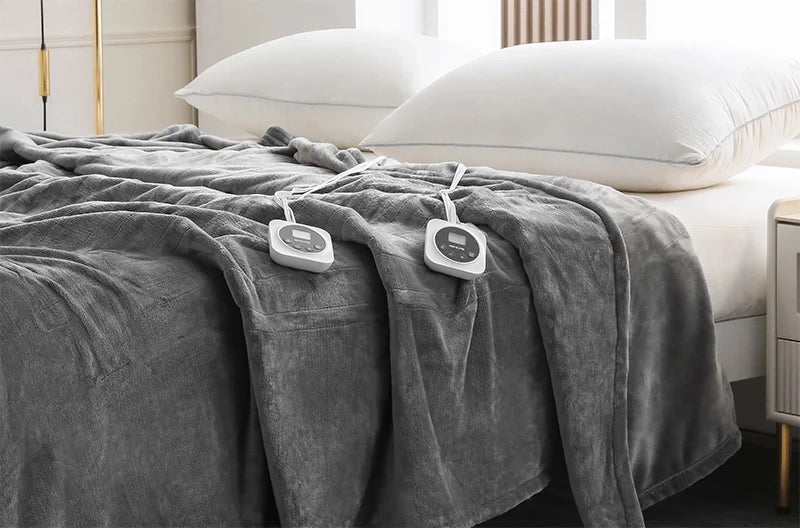
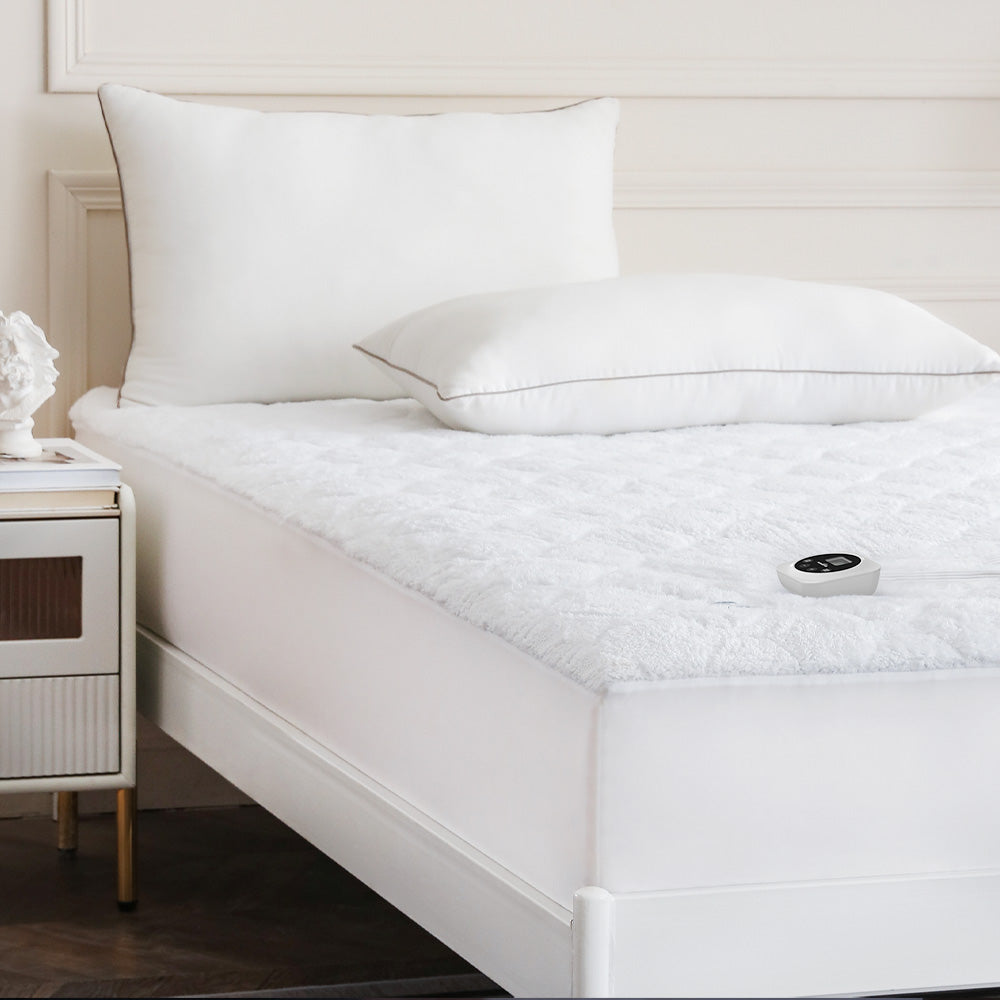
If you are searching for the best heated bedding that will help keep your body temperature in the correct range, look no further than Homlyns. Our collection includes electric blankets, heated mattress pads, and more, all designed to provide even, energy-efficient warmth with a luxurious feel throughout the night.
Our heated bedding options can be set to a comfortable range of 86–113°F (30–45°C), allowing you to customize your sleep environment. For optimal results, preheat your bed on a low or moderate setting, then turn it off before sleeping to enjoy a safe, cozy, and uninterrupted night’s rest.
Always follow manufacturer instructions when using heated bedding and avoid prolonged use at high temperatures.
Final Thoughts: It’s Not About the Number—It’s About Comfort
If you have trouble sleeping due to temperature changes, understanding the link between sleep and your environment is essential. This article has covered the science behind body temperature, the ideal sleep range, and practical tips to maintain it throughout the night.
Instead of chasing a “perfect number,” focus on how your body actually feels when you’re in bed. A slightly cooler room, the right layers, or even a small adjustment to your bedding can make a bigger difference than you might expect.
And remember—temperature is just one part of the comfortable sleep environment. Light, noise, air quality, and comfort all work together. When these pieces fall into place, sleep stops feeling like something you have to force—and starts happening naturally.
Once you get it right, though—you’ll feel the difference almost immediately.
🔍 Common Questions About Sleep Temperature
Does your body temperature drop when you sleep?
Yes, during sleep, your core body temperature naturally decreases as part of your circadian rhythm. This drop signals your body that it’s time to rest, helping you enter deeper and more restorative sleep stages, including REM sleep.
What temperature is too hot for a baby to sleep?
A room temperature above 75°F (24°C) may be too hot and increase the risk of overheating and discomfort, which is linked to a higher risk of sudden infant death syndrome (SIDS). For safety and comfort, babies typically sleep best in a room kept around 65–70°F (18–21°C), with lightweight clothing and breathable bedding.
Why does my body temperature rise when I sleep?
Your body temperature can temporarily rise during certain sleep stages, especially REM sleep, when brain activity and metabolism increase. External factors like a warm room, heavy blankets, or illness can also raise body temperature and disrupt sleep quality.
What temperature is dangerous to sleep outside in the cold?
Sleeping outdoors in temperatures below 32°F (0°C) without proper insulation can be dangerous. Prolonged exposure may lead to hypothermia, frostbite, and disrupted sleep. Proper sleeping gear, such as insulated sleeping bags and layered clothing, is essential in cold conditions.
Does lack of sleep affect body temperature?
Yes, sleep deprivation can interfere with your body’s ability to regulate temperature. It may lead to higher nighttime core temperature, reduced deep sleep, and disruptions to your circadian rhythm, which can affect overall health and energy levels.
Can sleeping in cold temperatures make you sick?
Sleeping in a slightly cool room is generally safe and can improve sleep quality. However, extreme cold or prolonged exposure without proper warmth may weaken the immune system and increase the risk of illness. Keeping your room between 65–70°F (18–21°C) is a safe range.
Does sleeping in cold temperatures aid weight loss?
Cooler environments may slightly increase calorie burning as your body works to maintain its core temperature. However, the effect is small. The main benefit of a cooler sleep environment is better sleep quality, which can indirectly support metabolism and overall health.
References
-
Baker FC, Siboza F, Fuller A. Temperature regulation in women: Effects of the menstrual cycle. Temperature (Austin). 2020;7(3):226-262. Published 2020 Mar 22. doi:10.1080/23328940.2020.1735927
-
Freedman RR, Woodward S. Core body temperature during menopausal hot flushes. Fertil Steril. 1996;65(6):1141-1144.
-
Herman Pontzer et al. Daily energy expenditure through the human life course.Science373,808-812(2021).DOI:10.1126/science.abe5017
-
Okamoto-Mizuno K, Mizuno K. Effects of thermal environment on sleep and circadian rhythm. J Physiol Anthropol. 2012;31(1):14. Published 2012 May 31. doi:10.1186/1880-6805-31-14
-
Refinetti R. Circadian rhythmicity of body temperature and metabolism. Temperature (Austin). 2020;7(4):321-362. Published 2020 Apr 17. doi:10.1080/23328940.2020.1743605
Author:
This article is reviewed by wellness and sleep specialists at Homlyns, a brand dedicated to improving sleep quality through advanced heating and temperature-regulating solutions.


Leave a comment