



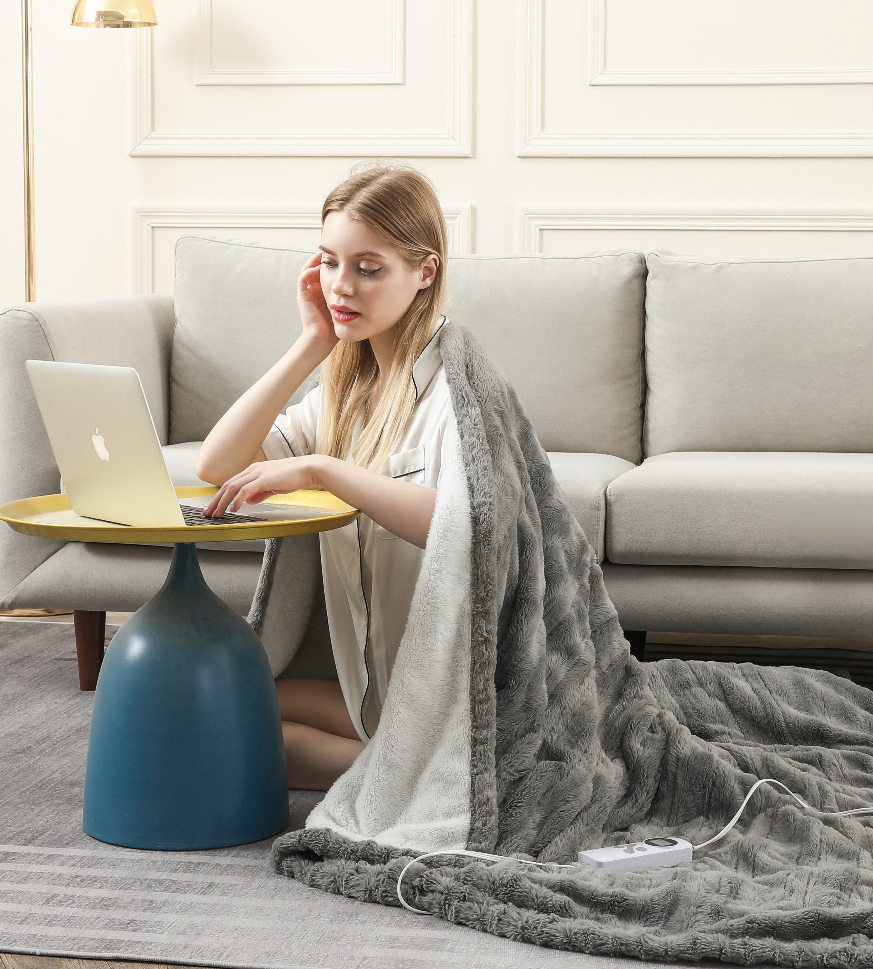
Cold Feet and Sleep Quality: Why You Can't Fall Asleep When Your Toes Are Freezing
You're exhausted. You climb into bed, ready to drift off. Then you notice it: your feet are freezing. Suddenly, sleep feels impossible. This isn't just a feeling. Scientific research shows cold extremities can delay sleep onset by up to 25 minutes.
Keeping your feet comfortably warm is one of the easiest ways to fall asleep faster. Let’s dive into why this happens and how to fix it.

The Science of Sleep and Body Temperature
Your body runs on an internal 24-hour clock called the circadian rhythm. This master clock is located in your brain's suprachiasmatic nucleus. It controls everything from hormone release to metabolism. But here's what most people don't realize: it also orchestrates your body temperature throughout the day.

Source: Circadian Rhythm
How Your Internal Thermostat Works
Your core body temperature isn't static. It fluctuates by 1-3 °C throughout the day, following a predictable pattern:
-
Highest point: Late afternoon to early evening
-
Lowest point: Early morning hours (around 4-5 AM)
-
Sleep trigger: The steady drop in core temperature signals your brain it’s time to sleep

Source: Science Direct
When our core and brain temperatures drop rapidly, we are most likely to choose to sleep. This isn't a coincidence but biology.
The Vasodilation Connection
Here's where your feet enter the picture.
To lower your core temperature, your body uses a process called vasodilation. Vessels in your extremities, particularly your hands and feet, open up. This allows warm blood to flow to the surface, releasing heat into the environment.

Source: Cleveland Clinic
The degree of vasodilation in your hands and feet is a strong predictor of how quickly you’ll fall asleep.
Think of your feet as radiators. When they warm up, they're actually releasing heat from your core. Warm hands and feet help you fall asleep faster because they signal your body is successfully cooling down internally.
💡 Pro tip: If your feet stay cold, your body cannot release heat efficiently. Your core temperature remains elevated, and sleep remains out of reach.
Common Causes of Cold Feet at Night
Not all cold toes are the same. Understanding why you feel cold and get cold feet at night helps you find the right fix.

Circulation Problems
Poor circulation is the most frequent cause of cold feet. Since your feet are the farthest body part from your heart, they are the first to be affected when blood flow slows down. Even a slight decrease in circulation will impact them most severely.

Common circulation issues include:
| Condition | How It Affects Blood Flow |
| Peripheral artery disease | Plaque buildup narrows arteries, reducing blood flow to the legs and feet |
| Atherosclerosis | Hardened arteries restrict blood vessel flexibility |
| High cholesterol | Contributes to plaque formation, affecting blood flow |
| Heart conditions | Weakened pumping reduces circulation to the extremities |
In addition to these conditions, poor circulation caused by narrowed arteries, lack of exercise, or other underlying medical issues can all lead to cold feet at night.
Medical Conditions
Several health issues can cause persistent cold feet:
-
Raynaud's disease: Blood vessels in the fingers and toes overreact severely to cold temperatures and go into spasm. This drastically reduces blood flow, leading to numbness and changes in skin color.

Source: A Review of Raynaud’s Disease
-
Hypothyroidism: An underactive thyroid slows metabolism, affecting how red blood cells deliver warmth throughout your body.
-
Diabetes: Can damage nerves and blood vessels, leading to poor blood flow and nerve damage that amplifies cold sensitivity.
-
Anemia: Fewer red blood cells mean less oxygen and warmth reaching your feet.
Lifestyle Factors
Sometimes the cause is simpler, but these daily habits can still worsen symptoms of underlying conditions:
-
Sedentary habits: Sitting for long periods can affect blood flow to your lower extremities
-
Smoking: Nicotine constricts blood vessels, reducing blood flow
-
Stress: Triggers your body to send blood to core organs, leaving your feet cold.
-
Tight footwear can restrict circulation throughout the day

💡 When to pay attention: If one foot feels noticeably colder than the other, or if coldness comes with skin discoloration, see a doctor promptly.
🦶🏻 🛌
I struggle with cold feet almost every night, no matter the season. When I get into bed, my feet feel icy while the rest of my body is warm, and it makes it hard to fall asleep unless I wear socks or warm them first. I sit a lot during the day for work, and I know my circulation isn’t great—I can feel it most in my toes.
Stress makes it worse; on anxious days, my feet get cold faster and stay cold longer. Sometimes they even look a little pale, which is unsettling. Learning that issues like poor circulation, anemia, or thyroid problems can cause this has made me pay closer attention to my body instead of brushing it off as “just being cold.”
After that, I checked on Reddit, and I was surprised by how many people described the exact same experience. Thread after thread talked about icy feet at night, needing socks even in summer, or spending several minutes warming their feet before sleep.
Some mentioned circulation issues, others stress, anemia, or just “cold feet since childhood.” Seeing so many similar stories made me feel less alone—and more convinced that this isn’t a minor quirk, but a real and common sleep issue that many people quietly deal with.
Why Cold Feet Can Disrupt Sleep
Your body has a non-negotiable requirement for sleep: your core temperature must drop. When your feet are cold, this entire process gets thrown off track.

Source: Neuro Athletes
The Thermoregulation Breakdown
Cold feet signal vasoconstriction, where blood vessels tighten and reduce blood flow to your extremities. Your body interprets this as a sign of environmental stress. Instead of relaxing into sleep mode, your nervous system stays on alert.
The result? Your core temperature stays high, keeping you wide awake. This is why wearing socks can make a real difference: it prevents unnecessary vasoconstriction and lets your body prepare for sleep.

Research on people with vasospastic syndrome who always have cold hands and feet found that they take significantly longer to fall asleep. They also struggle to return to sleep after waking during the night.
What Happens When Your Feet Stay Cold
When your feet are cold at night, several things happen at the same time:
-
Blood flow redirects away from your extremities toward your core
-
Your body can't efficiently release heat through your feet
-
Core temperature stays higher than optimal for sleep
-
Your brain never receives the "time to sleep" signal

Source: Sole Perfection
Consider it as trying to cool down a room with the windows sealed shut. The heat has nowhere to go.
Why Some People Sleep Better With Cold Feet Out of the Covers
If you’ve spent time on Reddit or talked to friends about sleep habits, you’ve probably noticed a surprising counterpoint: many people swear they sleep best with their feet uncovered—or even intentionally cooled.
Comments like these come up again and again:
“I sleep under blankets and purposefully stick my feet out to be cold. Everyone is different.”
“I can’t sleep if my feet are hot. I have to keep them out, even in winter.”
“Warm core, warm hands—but my feet must be cool or I won’t fall asleep.”
So what’s going on here? Are cold feet actually helping some people sleep?

It’s Still About Releasing Heat — Just a Different Strategy
The key detail is this: sleep still requires your core temperature to drop.
For some people, exposing their feet to cooler air helps that happen faster.
Feet are one of the body’s most effective heat-release zones. When uncovered, they can act like open vents, allowing excess heat to escape quickly. For people who:
-
Run warm at night
-
Overheat easily under blankets
-
Have strong peripheral circulation
-
Feel uncomfortable with constriction around their feet
cooler feet may actually accelerate core cooling, triggering sleepiness instead of preventing it.
In other words, uncovered feet can serve the same function as warm feet do for others: helping the body shed heat efficiently.
Warm Feet vs. Cool Feet: The Real Difference
The difference isn’t really about temperature preference—it’s about how easily your blood vessels respond.
-
People with poor circulation or vasoconstriction
→ Cold feet stay cold, blood vessels stay tight, and heat can’t escape
→ Warming the feet helps initiate vasodilation and sleep
-
People with good circulation or heat sensitivity
→ Feet warm up easily and may overheat under covers
→ Exposing feet prevents overheating and helps core temperature drop
Both groups are solving the same biological problem—just from opposite directions.
A Simple Rule of Thumb:
-
If your feet feel icy, numb, pale, or uncomfortable, warming them will likely help you sleep
-
If your feet feel hot, sweaty, or trapped, letting them cool may be better
What matters most isn’t whether your feet are warm or cold—it’s whether your body can comfortably transition into its nighttime cooling phase.
Listen to Your Physiology, Not Just the Rulebook
This is why sleep advice isn’t one-size-fits-all.
Some people need socks, foot baths, or heated bedding. Others need fresh air on their toes and lighter covers.
If sticking your feet out helps you fall asleep faster and stay asleep longer, that’s your nervous system telling you it’s working.
The goal is always the same: a relaxed nervous system, efficient heat release, and a smooth drop in core body temperature.
How you get there can look very different from person to person—and that’s completely normal.
Cold Feet and Sleep Disorders
The connection between cold feet and sleep problems runs deeper than simple discomfort. Research reveals a genuine physiological link.

The Insomnia Connection
A landmark Swiss study of 1,800 adults found a clear pattern: people with cold feet have far more trouble falling asleep. This wasn't a coincidence. The researchers traced the connection back to impaired distal vasodilation, the same mechanism that triggers sleep onset.

Key findings from sleep research:
-
People with cold extremities take longer to fall asleep
-
They wake more frequently during the night
-
Their overall sleep quality suffers
-
Warming the feet for 20 minutes before bed reduces insomnia symptoms
I realized that my constantly cold feet are closely linked to my poor sleep. Warming my feet before bed could be the simple solution I’ve been looking for.
Vasospastic Syndrome and Sleep
People with vasospastic syndrome offer a clear window into this relationship. Their vessels overreact to cold temperatures, causing abnormal vasoconstriction. The result? Chronically cold hands and feet paired with chronic sleep difficulties.

Source: WebMB
Studies show these individuals have:
-
Prolonged sleep-onset latency at bedtime
-
Difficulty returning to sleep after nighttime awakenings
-
Impaired capacity for the distal vasodilation needed to initiate sleep
I have vasospastic syndrome. My hands and feet are always cold. This not only makes me uncomfortable but also stops me from sleeping well and peacefully.
Restless Leg Syndrome (RLS)
Cold feet can also worsen restless leg syndrome. RLS causes uncomfortable sensations and an overwhelming urge to move your legs, especially at night. Cold temperatures and poor circulation can trigger or intensify these symptoms.

Source: vein911
Interestingly, warm therapy often helps RLS patients the most. A warm foot bath before bed may ease symptoms and improve sleep quality.
Can Warming Your Feet Treat Sleep Problems?
Research strongly supports that warming your feet improves sleep. One study found that wearing warm socks helped participants:
-
Fall asleep 7.5 minutes faster
-
Sleep 32 minutes longer
-
Wake up 7.5 times less often
Another study demonstrated that warming feet for just 20 minutes before bed reduced both insomnia symptoms and fatigue.

💡 Important note: These benefits tend to be strongest in younger adults. Research on elderly insomnia patients showed less dramatic improvements, suggesting age-related circulation changes or advanced underlying conditions may limit effectiveness.
Simple Ways to Warm Your Feet Before Bed
You don't need expensive gadgets or complicated routines. These home remedies work with your body's natural thermoregulation to help you achieve restful sleep.

The Warm Water Method
Taking a warm foot bath before bed can help warm cold feet and promote relaxation. It’s one of the most effective ways to prep your feet for rest: simply soak your feet in warm water around 40 °C (104 °F) for 10–15 minutes before bed. This dilates blood vessels, improves circulation, and gently signals your brain that it’s time to sleep.

How to maximize the warm foot bath:
-
Time it right: 30-60 minutes before bed works best
-
Add Epsom salts for muscle relaxation
-
Dry thoroughly and slip into pre-warmed socks immediately
-
Avoid water that's too hot, as it can cause rebound cooling
Many people around me have found that a warm foot bath before bed really helps them relax and sleep better.
Sock Strategies That Work
Not all socks deliver equal warmth. Here's what to reach for:
| Sock Type | Best For | Notes |
| Wool socks | Maximum warmth | Natural temperature regulation, moisture-wicking |
| Thick socks | Cold climates | Provides extra insulation, but avoid overly tight elastic |
| Compression socks | Circulation issues | Helps improve b; consult your healthcare provider first |
| Heated socks | Severe cold feet | Battery-powered options for those who need more warmth |
Wearing non-tight, moisture-wicking socks to bed can improve sleep by keeping your feet warm. Pre-warm your socks on a radiator or in the dryer for a few minutes before putting them on. The immediate warmth jumpstarts vasodilation.
Other Quick Warming Methods
-
Hot water bottle: Place one at the foot of your bed under the covers 10 minutes before you get in. It creates a warm zone for your feet without overheating.
-
Heating pad: Use on low setting for 15-20 minutes before bed. Never sleep with an electric heating pad on.
-
Gentle massage: Rubbing your feet increases local blood flow and promotes relaxation.
-
Light stretching: Ankle circles and toe flexes encourage circulation to your lower extremities.

👩🏼🦰
From my own experience, warming my feet before bed makes a noticeable difference in how quickly I fall asleep. On nights when my feet feel cold, my whole body stays tense, even if I’m exhausted.
🦶🏻 A simple warm foot bath has become my go-to routine. I decided to try a traditional Chinese herbal foot soak after a friend recommended it. I ordered it on Amazon, and it works out to about $1 per use, which feels very reasonable for something I use so often. Just half an hour before bed, it warms my feet comfortably and surprisingly well, leaving me relaxed and ready to sleep.

🧦 Socks matter more than I used to think. Thin or tight ones don’t help much, but loose, soft socks—especially when slightly pre-warmed—work surprisingly well. When my feet stay warm, I notice I wake up less during the night. It’s not about overheating, just maintaining that gentle warmth so my body doesn’t keep reacting to the cold. Once my feet are warm enough, I don’t force myself to keep the socks on. I usually wear them just to get through the initial cold phase, and if I wake up feeling warm later, I’ll naturally kick them off.
On nights when I skip these steps, I can really feel the difference. My feet stay cold longer, I toss and turn more, and falling asleep feels harder than it should. These routines are simple, but for someone who struggles with cold feet at night, they’ve made my sleep feel much more stable and predictable.
👍 I even recommended these tips to my colleagues with the same problem and am waiting to hear their feedback.
Bedroom Temperature and Bedding Choices
Your sleep environment matters just as much as your pre-bed routine. The goal is to create conditions where your body can release heat efficiently while your feet stay comfortable.

Finding Your Ideal Room Temperature
Sleep experts generally recommend keeping your bedroom between 60-67°F (15-19°C). This range supports your body's natural temperature drop. It also allows your bedding to create a comfortable temperature microclimate.

The balancing act:
-
Too warm → You'll sweat, disrupting deep sleep
-
Too cold → Your feet freeze, and your body fights to conserve heat
-
Just right → Your core cools while extremities stay warm under covers
If you live in cold climates, resist the urge to crank up the heat. Instead, focus on warming your bed, not the room.
Strategic Bedding Choices
Your bedding creates a microclimate that should stay between 80–90 °F (27–32 °C) for optimal sleep. Here's how to build your ideal setup:

Mattress considerations:
-
Memory foam retains more heat than an innerspring
-
Mattress toppers can add extra insulation
-
Heated mattress pads offer targeted warmth where you need it
Blanket layering:
Start with breathable base layers and add warmth strategically at the foot of the bed. A lightweight duvet with an extra blanket folded at the bottom gives your feet more warmth without overheating your core.
The Case for Heated Bedding
Modern heated mattress pads and blankets offer precise temperature control with auto-shutoff features for safety. They're particularly useful for:

-
People who have cold feet even when the room temperature is comfortable
-
Those with circulation problems
-
Anyone sharing a bed with someone who prefers different temperatures
Those around me who often suffer from cold feet or poor circulation have also benefited a lot from heated bedding.
Long-Term Solutions for Circulation and Sleep
Quick fixes help, but addressing the underlying cause of cold feet delivers lasting results. These strategies target the root problem: getting an adequate blood supply to your extremities.

Source: Silver Chiropractic & Wellness
Movement and Exercise
Staying active during the day improves circulation and helps keep your feet warm at night. Regular physical activity is one of the best ways to boost circulation throughout your body. You don’t need intense workouts because consistent, moderate movement can make a significant difference.

Circulation-boosting activities:
-
Walking: 30 minutes daily gets blood flowing to your legs and feet
-
Swimming: Low-impact and excellent for overall circulation
-
Yoga: Specific poses like legs-up-the-wall encourage venous return
-
Calf raises: A simple exercise you can do anywhere to activate leg muscles
The timing matters:
Light evening movement (a post-dinner walk) can help warm your feet before bed. Avoid vigorous exercise within 2-3 hours of sleep, as it raises core temperature.
Dietary Changes
A healthy diet can help prevent cold feet by ensuring optimal blood circulation, which directly impacts how efficiently blood flows throughout your body.
-
Omega-3 fatty acids: Found in salmon, walnuts, and flaxseed; supports blood vessel health
-
Iron-rich foods: Spinach, red meat, and legumes help prevent anemia-related cold feet
-
Vitamin B12: Essential for healthy red blood cells and nerve function
-
Cayenne pepper: Contains capsaicin, which may help dilate blood vessels

Foods and habits to limit:
-
Excessive sodium (contributes to poor circulation)
-
Tobacco products (nicotine severely restricts blood flow)
-
Alcohol before bed (initially warms you, but ultimately disrupts temperature regulation)
Stress Management
Chronic stress keeps your body in fight-or-flight mode, reducing blood supply to your extremities. When you're constantly stressed, your body prioritizes vital organs over your feet.

Techniques that help:
-
Deep breathing exercises before bed
-
Progressive muscle relaxation (start with your toes)
-
Meditation or mindfulness practice
-
Establishing consistent sleep and rest routines
Weight Management
Excess weight can affect circulation and contribute to conditions like peripheral artery disease. If you've noticed weight gain alongside worsening cold feet, the two may be connected. Even modest weight loss can improve circulation and reduce strain on your cardiovascular system.

When Cold Feet Might Signal a Bigger Issue
Sometimes cold feet at night aren't just about temperature. They can be an early warning sign of underlying conditions that need medical attention.

Red Flags to Watch For
Contact your healthcare provider if you notice cold feet along with any of these additional symptoms:

-
Skin changes: Discolouration (blue, purple, or pale), shiny texture, or hair loss on legs
-
Slow-healing wounds: Cuts or sores on the feet that won't heal
-
Numbness or tingling: Could indicate nerve damage or peripheral neuropathy
-
Pain at rest: Especially if it worsens when lying down
-
One foot colder than the other: Suggests localised circulation problems
-
Feeling tired constantly: May indicate thyroid issues or anemia
Underlying Medical Conditions to Consider
Persistent cold feet can signal several serious health issues:
-
Peripheral neuropathy: Nerve damage, often from diabetes, can impair your feet's ability to sense and regulate temperature. You might feel cold even when your feet are objectively warm. Other symptoms include burning, tingling, or numbness.
-
Thyroid disorders: An underactive thyroid slows metabolism and reduces thyroid hormone production. This affects how your body generates and distributes heat. Weight gain, fatigue, and persistent cold sensitivity often accompany thyroid problems.
-
Peripheral artery disease (PAD): Reduced blood supply from narrowed arteries is a serious cardiovascular concern. PAD increases your risk of a heart attack and stroke. Early detection matters.
-
Raynaud's phenomenon: Extreme sensitivity to cold temperatures causes blood vessels to spasm. While primary Raynaud's is benign, secondary Raynaud's can indicate autoimmune conditions.

For many people, especially older people, always having cold feet can make joint pain worse. My grandma has arthritis, and every winter her feet become extremely cold. This triggers severe pain in her ankles and toes, making it difficult for her to sleep well.
What to Expect at the Doctor's
When you visit your healthcare provider about persistent symptoms, they'll likely:
-
Review your medical history and current medications
-
Perform a physical examination of your feet and legs
-
Check pulses in your feet and ankles
-
Order blood tests to check for chronic diseases like diabetes or thyroid dysfunction
-
Possibly conduct an ankle-brachial index (ABI) test to assess circulation

Don't dismiss the symptoms. Cold feet at night that persist despite home remedies, occur with other symptoms, or affect your quality of rest deserve professional evaluation.
Sleep Warmer Tonight With Homlyns
Cold feet and sleep quality share a powerful connection that many people overlook. When your blood vessels constrict and poor circulation keeps your extremities cold, your body can't release the heat it needs to initiate sleep. Understanding how cold feet affect your rest is the first step toward fixing them. The solutions are simpler than you might think.
Key takeaways:
-
Your body's temperature must decrease at the core for sleep to begin, and warm feet trigger this process by dilating blood vessels
-
Many people experience cold feet at night, which can delay sleep onset by up to 25 minutes
-
Poor circulation, peripheral neuropathy, and thyroid issues are common underlying causes
-
Wearing warm socks, using a heating pad, or taking a warm foot bath before bed can prevent cold feet and improve sleep quality
-
Persistent cold feet with additional symptoms like numbness or skin changes warrant a visit to your healthcare provider
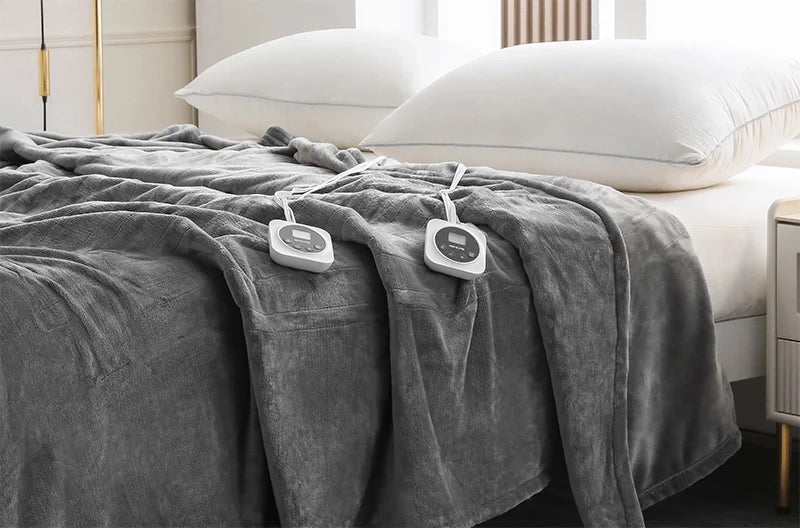
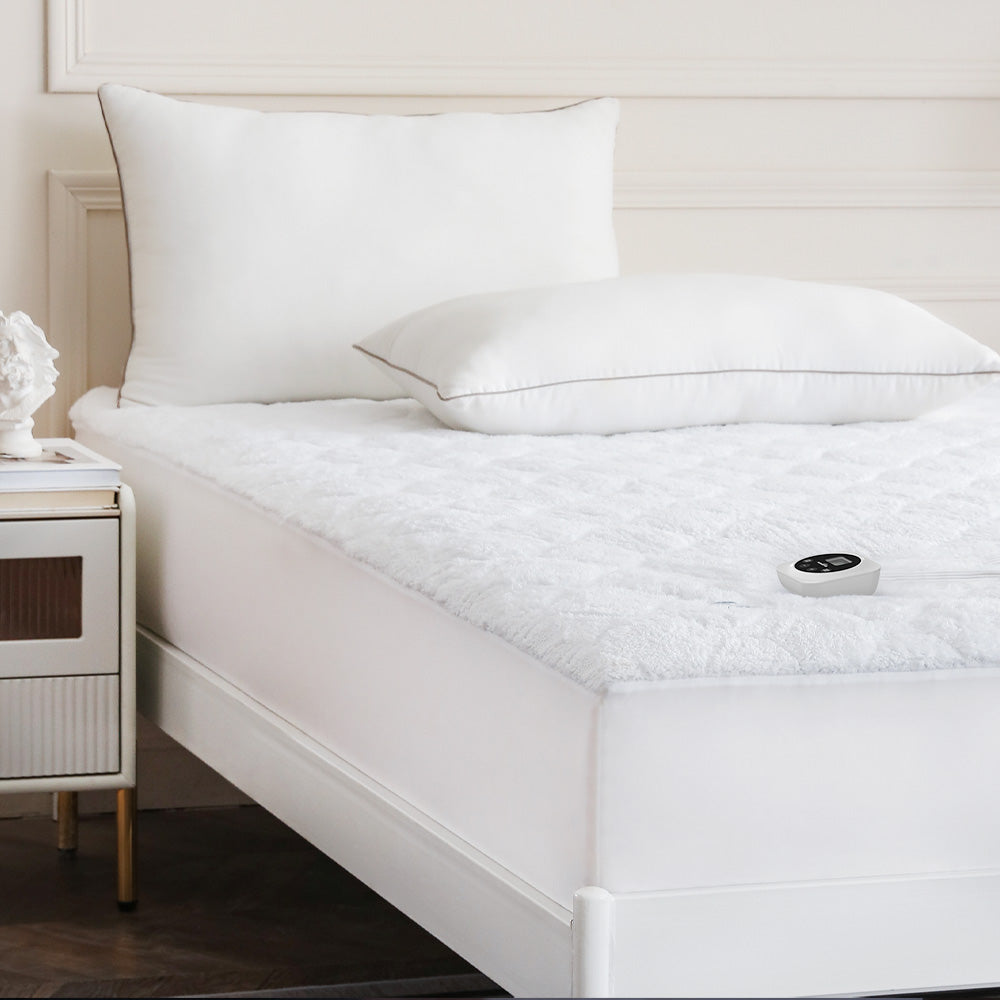
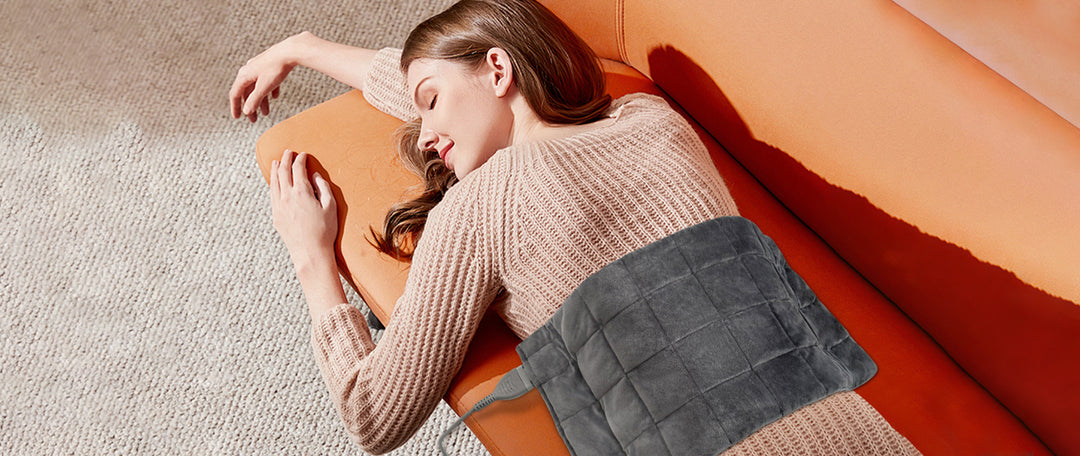
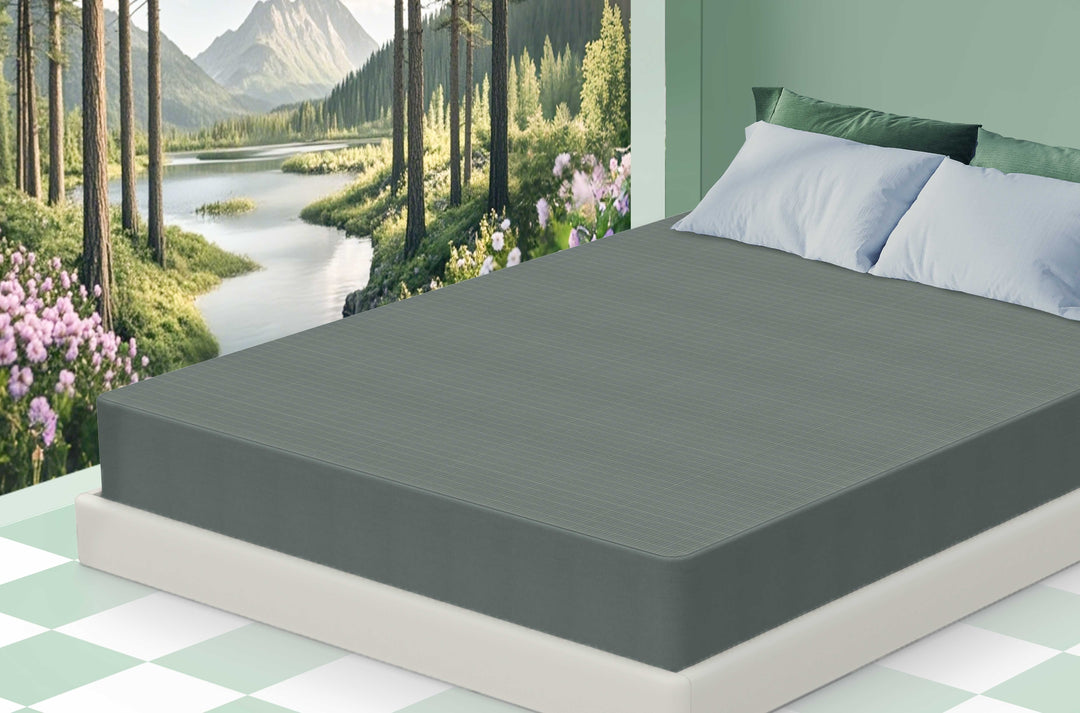
If you're tired of crawling into bed only to have your feet turn icy, Homlyns offers home heating solutions built to help. Our electric heated blankets feature multiple heat settings and auto-shutoff timers, while our quilted heated mattress pads deliver gentle, even warmth across your entire sleep surface.

These products work with your body's natural thermoregulation to keep blood vessels relaxed, combat poor circulation, and help you drift off faster. No more restless nights waiting for your toes to thaw.
💬 FAQs
Why do cold feet stop me from falling asleep?
Cold feet cause blood vessels to constrict, which prevents your core body temperature from dropping naturally. Since a lower core temperature triggers sleep, this delay can keep you awake for up to 25 minutes.
Does wearing socks to bed actually improve sleep?
Yes. Warm socks keep foot vessels relaxed, support heat loss from your core, and help you fall asleep faster. Studies show people with warm socks fall asleep more quickly, sleep longer, and wake up less often at night.
What causes cold feet only at night, not during the day?
Nighttime cold feet are often caused by lower room temperature, less movement, and slower blood circulation while resting. They can also be linked to underlying issues such as poor blood flow, stress, or mild dehydration.
Are cold feet at night a sign of a health problem?
Occasional cold feet are usually harmless. But persistent cold feet accompanied by numbness, discoloration, or pain may indicate circulation problems, thyroid issues, or diabetes. In addition, having one foot colder than the other can also be a sign of Raynaud’s disease.
What is the fastest way to warm my feet before bed?
A 10–15 minute warm foot bath (around 40°C/104°F) or a hot water bottle at the foot of the bed can quickly boost circulation. Prewarmed, loose socks also work fast to improve blood flow and help you sleep.
Can cold feet make insomnia or restless legs worse?
Yes. Cold feet and poor circulation disrupt the body’s sleep temperature cycle. They can also trigger or worsen symptoms of restless leg syndrome (RLS) and insomnia. Warming feet often reduces these issues.
How can I fix cold feet long-term, not just overnight?
Improve daily circulation by walking, doing light exercise, and stretching regularly. You should also eat iron-rich and omega‑3 foods, quit smoking, manage stress, and avoid tight shoes or prolonged sitting.


Leave a comment