



Is a 30-Minute Nap Good? What Sleep Scientists Actually Say
Every year, National Napping Day, observed on the Monday after Daylight Saving Time begins (the second Monday in March), reminds us just how powerful a well-timed nap can be—especially when we lose an hour of sleep overnight. It’s the perfect moment to rethink whether a short daytime snooze is a productivity booster or a recipe for grogginess.
You hit that afternoon wall. Your eyelids grow heavy, focus fades, and the couch starts calling your name. But here's the dilemma: is a 30-minute nap good, or will you wake up feeling worse than before?
The answer depends on sleep cycles, timing, and your body's unique rhythm. Get it right, and you'll feel recharged. Get it wrong and you'll stumble through the rest of your day in a fog.
In this article, you'll learn:
-
How sleep cycles affect nap quality
-
The ideal nap length backed by research
-
Why 30 minutes might cause grogginess
-
Best times to nap for maximum benefit
-
Tips for waking up refreshed every time
Let's find out whether that half-hour snooze is helping or hurting your health and productivity.
The Science Behind Napping
Your brain cycles through distinct stages of sleep, each serving different functions. A nap begins with light sleep, then may enter slow wave sleep, the deeper stage for physical restoration.
A 30-minute nap typically allows you to pass through the lighter stages of sleep without fully entering the deep sleep stage. Research shows waking from slow-wave sleep causes sleep inertia, which can last up to an hour.

Sleep research found that 30-minute naps produce minimal sleep inertia compared to longer naps. Mayo Clinic also emphasizes that short, well-timed naps are a best practice for enhancing daytime alertness and supporting long-term health for busy people.
Your brain uses this brief period to clear adenosine, a compound that builds up while you're awake and makes you feel sleepy. The result? You wake up feeling more alert without the cognitive fog, and this helps people get more done in the rest of their day.
Benefits of a 30-Minute Nap
So, is a 30-minute nap good for your health and productivity? Research points to several compelling benefits.

-
Improves cognitive performance: A sleep laboratory study says that only 30-minute naps significantly improved memory encoding compared to shorter or longer naps. During this brief rest, your brain consolidates information, helping you retain what you’ve learned and boosting overall mental processing.
-
Increases alertness: Research found that short daytime naps reduce fatigue and boost performance. Healthy adult people report feeling more alert and focused after a well-timed nap.
-
Elevates mood: Studies show naps boost positive feelings, reduce irritability, and lower stress, improving overall well-being throughout the afternoon.
- Support heart health: A study presented to the American College of Cardiology found that afternoon naps can lower blood pressure by approximately 5 mm Hg, comparable to cutting salt intake or taking low-dose medication.
Why 30 Minutes?
The magic of a 30-minute nap lies in sleep architecture. Your brain moves through stages of sleep in predictable patterns, and nap duration determines which stages you experience.
During the first 20 to 30 minutes, you sleep cycle through lighter sleep stages. Cross the 30-minute threshold, and you risk entering slow-wave sleep. Waking from this deeper stage triggers sleep inertia, leaving you groggier than before you lay down.

Source: What is “normal” sleep?
A systematic review of napping research found that naps under 30 minutes carry no significant health risks, while longer naps showed associations with metabolic syndrome and cardiovascular concerns.
Individual differences matter. Some people feel refreshed after 20 minutes. Others need closer to 30. Experiment to find your best sweet spot.
When is the Best Time to Nap?
Timing your nap correctly makes the difference between waking refreshed and struggling through the evening.
The early afternoon, typically between 1 and 3 p.m., offers the ideal window. Charlene Gamaldo, medical director of Johns Hopkins Sleep Disorders Center, explains that this timing aligns with your body's natural circadian dip in alertness. Your brain is primed for rest during this period, and using this window helps people get the most out of their nap without ruining their night’s sleep.
Avoid napping after 3 p.m. Late afternoon naps can interfere with nighttime sleep, making it harder to fall asleep at your regular bedtime. Study shows naps taken too close to night can reduce REM sleep and fragment your sleep cycles, which harms long-term health.

For night shift workers, timing shifts accordingly. A short daytime nap before a simulated night shift helps maintain cognitive performance and reduce fatigue during overnight hours. And this is a tip that many medical centers recommend for shift workers’ health.
⭐️ Pro tip: If you feel tired but it's past 3 p.m., consider alternatives like a brief walk or bright light exposure instead.
Who Can Benefit the Most from a 30-Minute Nap?
While most healthy adults can benefit from strategic napping, certain groups see particularly strong results.
Shift Workers
Research shows that naps during night shift help maintain alertness and reduce errors. A 30-minute nap produces minimal sleep inertia, allowing workers to return to tasks quickly.

Older Adults
The elderly often experience fragmented nighttime sleep. Studies suggest a 30-minute nap between 1 and 3 p.m. can improve cognitive function without disrupting sleep at night.

Sleep-deprived Individuals
People recovering from poor sleep or sleep restriction benefit significantly. Short naps help reduce fatigue and restore alertness when you haven't gotten enough sleep.

Students and Professionals
Those facing demanding cognitive tasks can use strategic naps to consolidate learning and improve performance.

New Parents
Parents managing interrupted nighttime sleep often find afternoon naps essential for maintaining function and well-being throughout the day.

Potential Drawbacks of a 30-Minute Nap
Despite the benefits, a 30-minute nap isn't perfect for everyone or every situation.

-
Sleep inertia remains possible. Research from the University of South Australia found that even 30-minute naps taken at night can cause nearly an hour of grogginess. Timing matters as much as duration.
-
Nighttime sleep may suffer. If you already have trouble falling asleep or staying asleep, afternoon naps can make things worse. Napping reduces your homeostatic sleep drive, the pressure that builds throughout the day, and helps you sleep at night.
-
Underlying issues may be masked. Frequently needing naps could signal sleep disorders, sleep breathing disorders like sleep apnea, or other health concerns. The National Heart, Lung, and Blood Institute recommends consulting a medical professional if excessive daytime sleepiness persists.
-
Not everyone wakes up refreshed. Individual differences mean some people simply don't respond well to napping, regardless of duration.
-
Disorientation can occur upon waking. If a nap drifts into deeper sleep stages, You might feel temporarily confused about the time or your surroundings.
-
Increased sleep dependence may develop. When naps compensate for chronic sleep deprivation rather than supplement adequate nighttime rest, experts warn this habit can negatively affect long-term health.
-
Headaches may follow naps for some individuals. These can be related to changes in blood pressure, sleep posture, or abrupt transitions between sleep and wakefulness.
If you consistently experience negative side effects, napping may not suit your sleep patterns.
How to Nap Effectively
Maximize your nap benefits with these evidence-based strategies.

-
Set an alarm. This prevents sleeping longer than intended and slipping into deep sleep. Aim for 20 to 30 minutes total.
-
Choose early afternoon. Between 1 and 3 p.m. aligns with your natural energy dip and won't interfere with nighttime sleep. This will help you get more done in the rest of your day.
-
Create darkness. Use an eye mask or blackout curtains. Blocking light signals your brain that it's time to rest.
-
Stay cool and comfortable. A slightly cool environment promotes faster sleep onset. Wrap yourself in a cozy throw for comfort without overheating.
-
Avoid sleep inertia. If you wake groggy, splash cold water on your face or step into bright light. Both help shake off residual drowsiness.
-
Don't consume caffeine beforehand unless you're trying a coffee nap. Otherwise, caffeine can prevent you from falling asleep during your brief window.
Alternatives to Napping
Can't nap? These strategies also help you feel alert and reduce fatigue without closing your eyes.

-
Consume caffeine strategically. A cup of coffee takes about 20 to 30 minutes to kick in. Time it for when you need the boost most, but avoid caffeine within six hours of bedtime.
-
Get bright light exposure. Research shows bright light suppresses melatonin and increases alertness. Step outside or sit near a window for 10 to 15 minutes.
-
Take a brisk walk. Even five minutes of movement increases blood flow to your brain and releases energizing endorphins.
-
Try a coffee nap. Drink coffee immediately before a 20-minute nap. The caffeine kicks in as you wake, providing a double alertness boost. Researchers found this combination outperforms either strategy alone.
-
Splash cold water on your face. This activates your sympathetic nervous system and provides a quick alertness jolt.
-
Practice deep breathing. Intentional breathwork increases oxygen flow to the brain, sharpening focus without the need for sleep.
Rest Better with the Homlyns Heated Throw Blanket
So, is a 30-minute nap good? The science says yes, when timed correctly. A well-executed afternoon nap boosts alertness, improves memory, and helps you power through the rest of your day without dragging.
Key takeaways:
-
Keep naps between 20 and 30 minutes to avoid sleep inertia
-
Nap in the early afternoon, ideally between 1 and 3 p.m.
-
Avoid napping after 3 p.m. to protect nighttime sleep
-
Shift workers and older adults benefit most from strategic napping
-
Alternatives like bright light, walking, or coffee naps also boost alertness
-
Frequent excessive sleepiness may signal underlying sleep disorders
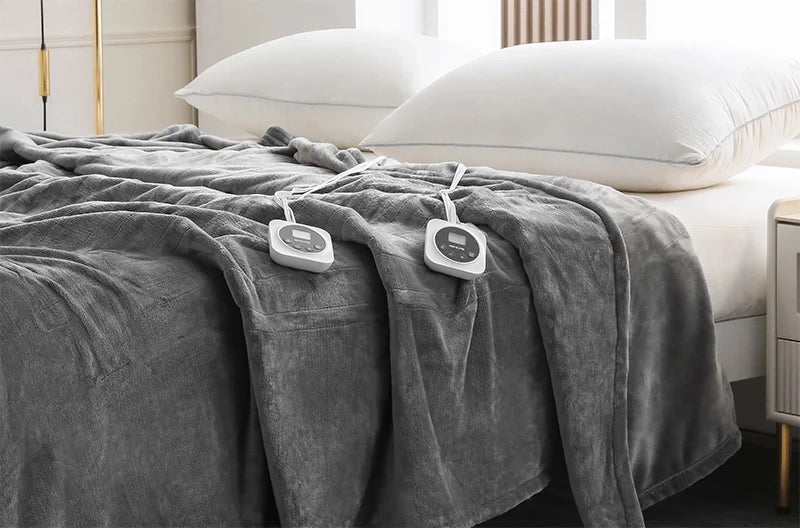
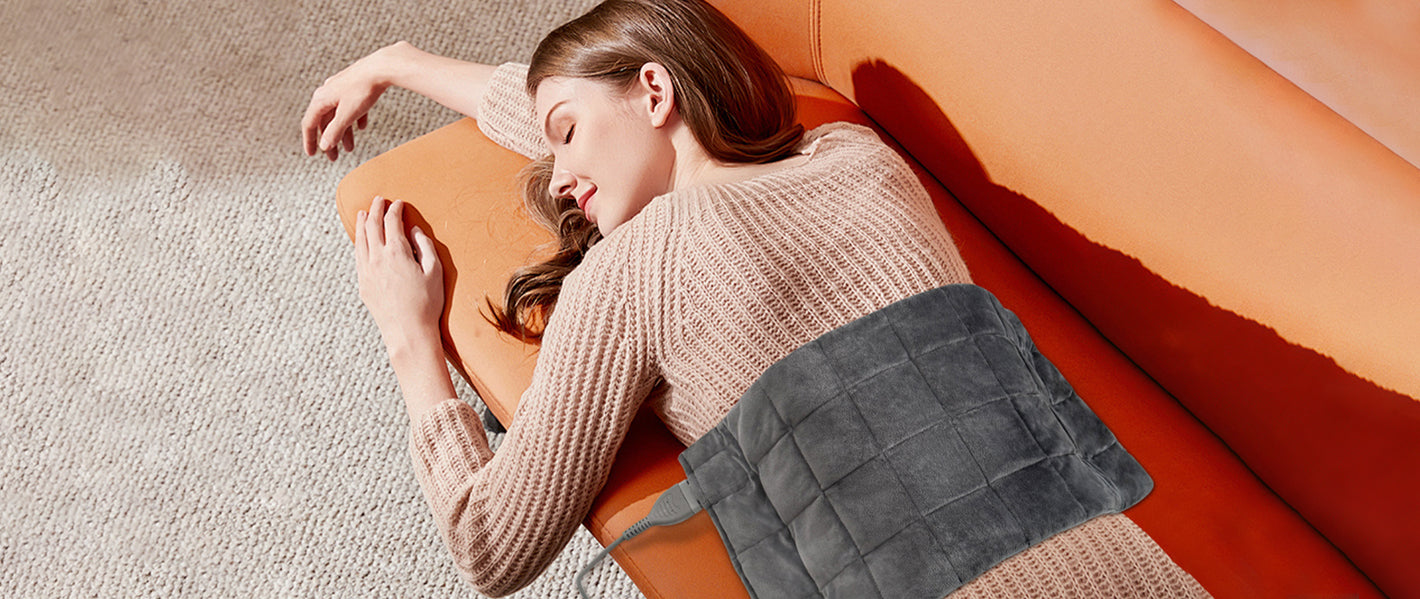
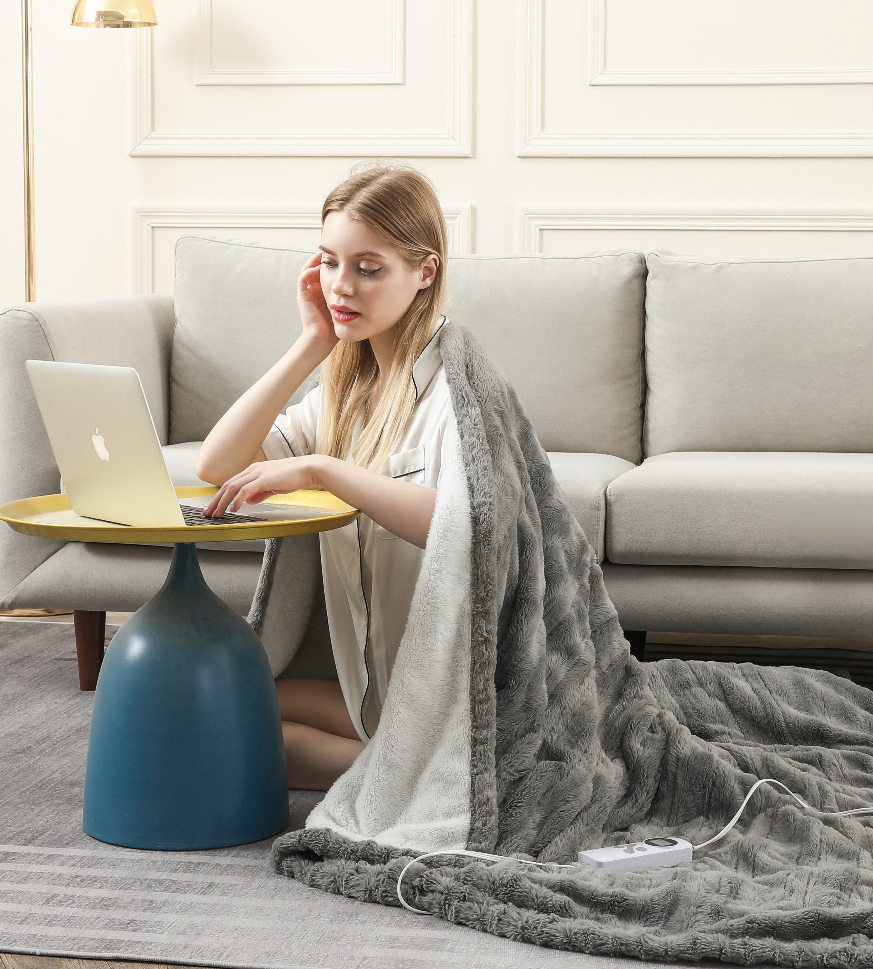
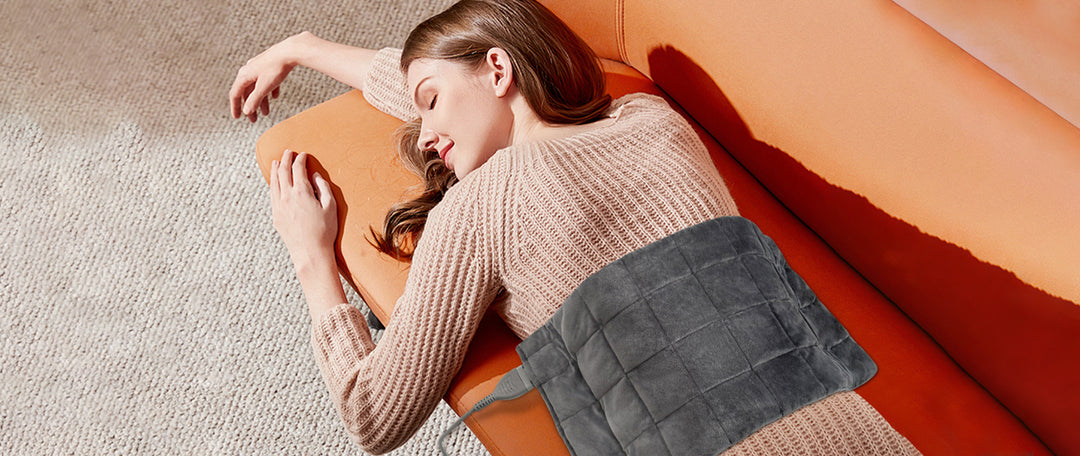
Make your power nap even more restorative with the Homlyns Flannel Electric Heated Throw Blanket. Its five heating levels let you create the perfect cozy cocoon for a quick afternoon rest, while the 3-hour auto-off feature ensures you wake up on schedule. At $59.95, it's the ideal companion for better sleep.
FAQs
What is the 30–90 rule for naps?
The 30–90 rule suggests napping for either 30 minutes or 90 minutes. A 30-minute nap helps you avoid deep sleep and reduces grogginess, while a 90-minute nap allows your body to complete a full sleep cycle. Both options are designed to help you wake up feeling refreshed.
The ideal time for a power nap is between 1 and 3 p.m., when your natural energy dip occurs. This timing supports afternoon alertness without interfering with nighttime sleep.
Is taking a 30-minute nap good?
Yes. Research shows that a 30-minute nap can improve memory, reduce fatigue, and may even lower the risk of heart disease. It’s long enough to feel refreshed while staying short enough to avoid deep-sleep grogginess.
Can you nap with contacts in your eyes?
It’s not recommended. Wearing contact lenses while napping—even briefly—can increase dryness, irritation, and the risk of eye infections by limiting oxygen flow to the cornea. Removing contacts before napping is safer for eye health.
Why do I shake when I wake up from naps?
Shaking, tremors, or slight shivers after a nap can occur as your nervous system transitions from sleep to wakefulness. This may also be linked to sleep inertia, changes in body temperature, or muscle relaxation.
If shaking is severe or happens frequently, it’s best to consult a healthcare professional, as it may indicate issues beyond normal sleep–wake transitions.
Does napping help when sick?
Yes. When you’re ill, naps can support immune function and help restore energy, especially if nighttime sleep is disrupted. Short daytime naps allow the body to cope with increased physical stress and recovery demands.
Do you burn calories when you nap?
Yes. Your body continues to burn calories during naps because vital functions like breathing, circulation, and brain activity remain active. While naps burn fewer calories than physical activity, they still require metabolic energy.
Why might you have a fast heart rate when napping?
Heart rate changes during naps can result from shifts in your autonomic nervous system. Waking suddenly, anxiety, caffeine intake, dehydration, or certain medical conditions can also cause your heart rate to feel faster during or after a nap.
How long should you nap when pregnant?
Short naps of about 20–30 minutes are generally recommended during pregnancy to ease fatigue without disrupting nighttime sleep. Always consult a healthcare provider for personalized advice.
How can you fall asleep at night if you already took a nap?
If you’ve napped and struggle to fall asleep later, avoid caffeine late in the day, keep a relaxing bedtime routine, and go to bed only when you feel sleepy. Light physical activity and consistent sleep schedules can also help reset nighttime sleepiness.
Is it bad to nap when jet-lagged?
Napping during jet lag can reduce short-term sleepiness and improve alertness, especially if you’re extremely tired. However, long or late naps can delay adjustment to the new time zone. Short naps earlier in the day are usually the best option.


Leave a comment