






How to Protect Heated Blanket Electric Cords from Cats 🐈: Easy Tips & Tricks
🐈 I work in an office full of cats. Honestly, it’s the dream—soft paws wandering around, purring on keyboards, and the occasional playful swat at a pen. But living or working with cats also comes with a very real challenge chewed wires. In our office, cats have a habit of biting electrical cords, and nothing ruins a cozy moment faster than discovering a frayed cable.

For those of us who love using a heated blanket at home, this issue can feel especially concerning. You might wonder whether heated blankets are safe for pets. The good news is that the blanket itself usually isn’t the problem—the real risk comes from exposed or damaged cords, which are among the most common electrical hazards in both homes and offices.

Cats are naturally curious and are often drawn to the warmth, texture, and dangling shape of cords. So how do you create a warm, comfortable environment without constantly worrying about your cat gnawing on your heated blanket’s wire?
After dealing with this firsthand—and learning the hard way a few times—here’s what I’ve tried, and what actually works.
What You’ll Need
Before you start protecting your heated blanket cord, it’s important to gather all the materials you’ll need. Having everything ready will make the process faster, safer, and more organized:
👍 Split Loom Tubing – The Best Choice
Split loom tubing is the top choice for protecting cords in homes and offices. It:
-
Resists chewing from pets
-
Keeps wires organized
-
Improves appearance, making spaces look tidier
Most heated blanket cords range from 10 to 15 feet long, so it’s best to choose a sleeve at least 2 feet longer than your cord to ensure full coverage. Split loom tubing is easy to find on Amazon, typically costing $10–$20 for a 20-foot length.
For the best fit, check the diameter of your electric cords before purchasing your tubing. Black tubing is the most common, but you can also choose other colors to match your home’s style.

Alternatives to Split Loom Tubing
If you don’t have split loom tubing on hand—and don’t want to wait for shipping—there are several effective cord-protection alternatives you may already have at home:
- Braided Cable Sleeves: Flexible, durable sleeves often used for computer cables can be slipped over cords to prevent chewing.
- Cardboard Tubes: Repurpose cardboard from paper towel or wrapping paper rolls. Cut them lengthwise and slide cords inside for a temporary protective barrier.
- Thick Fabric Sleeves: Old socks, sleeves from worn-out sweaters, or fabric strips can be wrapped around cords and secured with tape. Soft but sturdy, this is a quick DIY solution.
- Old Garden Hoses: Cut along the length of an unused garden hose and thread the cord through. This creates a strong, chew-resistant cover ideal for larger cords or power strips.

Others You May Need
-
Electrical Tape
-
Scissors
Step-by-Step Guide
Installing your cord sleeve is quick and straightforward. Just follow these simple steps:
Step 1: Prepare the cord
Unplug the heated blanket and lay the cord flat on a clean surface. Wipe away any dust, lint, or pet hair to ensure the sleeve fits smoothly and adheres properly.

Step 2: Slide on the tubing
Split loom tubing has a long, pre-made cut down one side. Open the tubing and slide the whole cord inside carefully. Do not stretch the tubing; instead, allow it to fit snugly around the cord in its natural state. This way, the cord will get the best protection, and the tubing will last much longer.

Step 3: Trim the excess tubing
Use a pair of scissors to cut off any excess tubing from both ends. Make sure the cut is clean and even, so the tubing fits perfectly along the entire length of the cord without any loose, overhanging parts.

Step 4: Secure the ends
Use electrical tape to wrap and hold both ends of the tubing tightly. This will stop the cord from sliding out after some time.

What to Do If Wires Get Chewed
If you discover chewed cords, act fast to avoid danger:
Unplug immediately
This is the most important step. It keeps your cat and everyone in your home safe from electric shocks.

Inspect the damage carefully
Only the protective sleeve you installed is chewed: Remove the damaged sleeve and replace it with a new one.
The outer cover of the cord is worn: Stop using it right away and ask a professional electrician to check if it can be fixed safely. Do not just put a new cover over the broken part of the original outer cover.
The inner wires are exposed: Throw away the heated blanket right away. Attempting to repair damaged electrical cords is extremely dangerous and can lead to fires or fatal electric shocks.

Redirect behavior
Put a chew toy with catnip inside, or a teeth-cleaning treat, next to the spot your cat chewed. This will keep your cat busy and make it want to chew on these safe things instead.

Why Does My Cat Like to Chew On Electric Cords?
Chewing is something cats do because of their natural instincts, not because they are being bad. The most common reasons are:

-
Teething: Kittens between 4 and 6 months old chew to relieve the discomfort and pressure of growing teeth.
-
Dental health: Adult cats need to wear down their teeth and keep growing. Cords can easily become the things they chew on by mistake.
-
Boredom or curiosity: Cats that do not have enough to do may chew on cords for fun or to explore new things. This is especially true if they do not have enough toys or ways to keep themselves busy.
How to Prevent Pets From Chewing on Electrical Cords?
Besides using cord covers and offering safe chew alternatives mentioned, there are several other ways to keep your cords—and your pets—safe:

-
Hide or Elevate Cords: Run cords behind furniture, along walls, or elevated out of your pet’s reach.
-
Use Deterrent Sprays: Apply bitter apple or citrus sprays to cords to make them taste unpleasant.
-
Provide Chew Alternatives: Offer safe toys or chews to satisfy your pet’s need to gnaw.
-
Supervise and Train: Redirect your pet to toys and reward good behavior whenever possible.
-
Keep Pets Busy: Provide exercise and mental stimulation to reduce boredom-driven chewing.
-
Regularly Inspect Cords: Check cords for damage and replace any frayed or exposed wiring immediately.
Conclusion
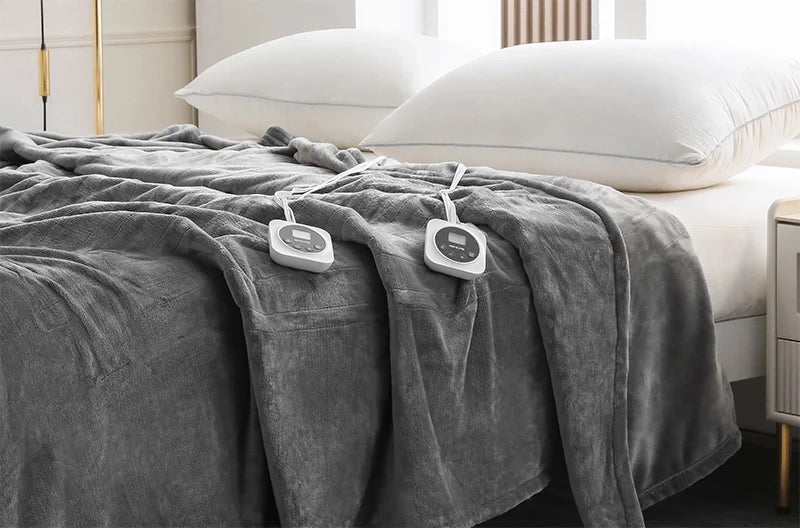
Chewed cords do more than just ruin your warm, cozy nights. They also bring big safety dangers. If you want to feel totally safe and worry-free, the Homlyns Heated Throw Blanket is perfect for cat owners. Its super-soft fabric will keep you warm and comfortable all year round.
You won’t have to deal with the trouble of fixing cords in a hurry, or the stress of possible accidents. Choose Homlyns for a heated blanket that works well with your cats, not against them.




Leave a comment