



How to Create a Pet-Friendly Home Without Sacrificing Your Space
Your home should be a sanctuary for every family member, including the four-legged ones. Yet the average household contains dozens of hidden hazards that send over 100,000 pets to emergency vets each year, from toxic houseplants to unsecured cabinets hiding dangerous chemicals.
Learning how to create a pet-friendly home goes beyond buying a comfy bed and food bowls. It requires thoughtful planning, room-by-room assessment, and understanding your specific pet's needs.

In this guide, you'll discover:
-
How to assess your home for pet safety hazards
-
Room-by-room pet-proofing strategies for every space
-
Outdoor area adaptations for dogs and cats
-
Special considerations for dogs, cats, birds, reptiles, and small animals
-
Tips for maintaining a clean, healthy environment
Let's get started transforming your space into a haven where both you and your pets can thrive safely and comfortably.
Assessing Your Home for Pet Safety
Before bringing a new pet home or improving conditions for your current furry friends, conduct a thorough safety assessment. Walk through each room at your pet's eye level. This perspective reveals hazards you might otherwise miss. If you’re unsure how to start, contact a professional pet safety consultant for guidance.
Start With the Obvious Dangers
-
Toxic substances pose the greatest risk. Check for cleaning products under sinks, medications in accessible drawers, and poisonous plants on low shelves. Many pet owners overlook common houseplants like lilies, pothos, and philodendrons that can harm dogs and cats.
-
Small objects become choking hazards for curious animals. Scan floors for rubber bands, hair ties, coins, and children's toys. These everyday items send thousands of pets to emergency vets annually.
-
Electrical cords attract chewing, especially from puppies and kittens. Note which cords hang within reach and which outlets sit at pet level. Simple cord covers can help eliminate this risk, and they’re easy to install without disrupting your home’s look.

Create a Hazard Inventory
Room by room, document potential dangers:
-
Unstable furniture that could topple
-
Sharp objects at tail or nose height
-
Gaps behind appliances where pets could become trapped
-
Windows without secure screens
-
Accessible trash cans containing food waste or dangerous materials
This inventory is the foundation of your pet-friendly design plan, ensuring you address every risk without compromising your home’s interior style.
Assess Escape Routes
Check fencing, gates, and doors for gaps. A determined golden retriever can squeeze through surprisingly small openings. Note areas where pets might slip outside during deliveries or guest arrivals. For new homeowners or those upgrading their outdoor space, designing secure boundaries is a top priority.

Consider Your Specific Pet
A bird faces different dangers than a dog. Reptiles need temperature-controlled environments. Small animals like hamsters can escape through tiny spaces. Tailor your assessment to your pet's size, species, and typical behaviors.
Document everything you find. This inventory becomes your roadmap for creating a truly pet friendly home where your animals can explore safely while you maintain peace of mind and your desired interior style. If you need help refining your plan, contact a vet or pet behaviorist for expert input on your design choices.
Creating a Safe and Comfortable Living Space for Your Pets
Understanding how to create a pet-friendly home means balancing safety with comfort. Your pets need spaces where they feel secure, can rest peacefully, and have room to play freely without constant restrictions.
Designate Pet-Specific Areas
Every animal benefits from having dedicated spaces that belong to them. This might include:
-
A cozy corner with bedding away from high-traffic areas
-
A feeding station where food and water bowls remain undisturbed
-
Play zones with appropriate toys and room to move

These designated spaces help pets understand boundaries while giving them ownership of their territory. They also help keep your home organized, making it easy to maintain a polished interior style. Experts say that pets who have their own spaces are less likely to exhibit destructive behaviors, such as chewing on furniture or scratching carpets.
Choose Pet-Friendly Materials
The right materials make maintaining a pet-friendly home dramatically easier. For flooring, luxury vinyl plank stands up to muddy paws, resists scratches, and cleans effortlessly. It outperforms carpet in homes with dogs and cats.

When selecting furniture, choose couches and chairs with removable, washable covers. Performance fabrics like microfiber and crypton resist pet hair and stains without sacrificing style. More and more families are prioritizing pet-friendly materials in their design plans.

Temperature and Comfort
Pets need protection from temperature extremes. Ensure your animals can escape hot surfaces in summer and cold drafts in winter. Provide fresh air circulation while maintaining comfortable indoor temperatures.
Consider elevated beds for dogs who run hot and heated pads for cats who seek warmth. These small investments significantly improve your pet's daily comfort.

Reduce Stress Triggers
Loud noises, unfamiliar scents, and chaotic environments stress animals. Create calm retreats where pets can escape during parties, storms, or household disruptions. A quiet room with familiar bedding often becomes a sanctuary. Designing these spaces to match your home’s overall style ensures they don’t feel like an afterthought.

The goal is to create a living space where both you and your pets coexist happily. When animals feel secure in their environment, behavioral problems decrease, and the bond between pet owners and their companions strengthens. This balance of safety, comfort, and style is the hallmark of a successful pet-friendly home design.
Room-by-Room Pet-Proofing
Let's get started with room-by-room pet-proofing, using tips that are easy to implement, help keep your pets safe, and maintain your home’s interior style and look.
Kitchen and Dining Areas
The kitchen presents unique challenges when creating a pet-friendly home. Food preparation areas contain both temptations and dangers that require strategic management. Here are some easy tips that help maintain your kitchen’s look and interior style:
-
Secure trash cans with locking lids or store them inside cabinets. Kitchen garbage contains bones, chocolate, onions, and other foods toxic to dogs and cats. A determined pet can easily knock over standard bins.
-
Install cabinet locks on lower storage areas. Cleaning products, plastic bags, and sharp objects hide behind these doors. Child-proof latches work equally well for curious paws.
-
Create boundaries around hot surfaces. Stovetops, ovens, and hot pans pose burn risks. Baby gates can block kitchen access during cooking, or train pets to stay outside a designated perimeter around your kitchen island.
-
Manage the feeding station thoughtfully. Place food and water bowls away from foot traffic to prevent spills and allow peaceful eating. Elevated bowls work well for larger dogs and reduce neck strain.
-
Store food securely. Countertop fruit bowls containing grapes or raisins endanger dogs. Bread left out invites counter-surfing. Keep all food in closed containers or high cabinets.
-
Watch for dropped items. Small pieces of food, twist ties, and rubber bands fall during meal prep. These become instant hazards for pets underfoot.
-
Consider dutch doors. These split doors allow you to keep pets out while maintaining visibility and airflow. They're particularly useful during cooking or when entertaining guests.

The kitchen requires vigilance, but proper pet proofing allows your furry friends to remain part of family activities without accessing dangerous areas. Many pet owners find that consistent boundaries in this room prevent the majority of household accidents.
Living Room and Bedrooms
These spaces see the most shared time between family members and pets, making thoughtful design essential.

-
Secure electrical cords behind furniture or inside cord covers. Living rooms typically contain entertainment systems with multiple tempting wires. Bitter apple spray deters chewing on exposed cords.
-
Anchor tall furniture to walls. Bookshelves, cat trees, and entertainment centers can topple when climbed or bumped. Use furniture straps designed for earthquake safety.
-
Choose durable upholstery. Leather and tightly woven fabrics resist pet hair and claw damage better than loose weaves. Slipcovers offer protection while allowing easy washing.
-
Remove or secure breakables. Wagging tails and zoomies send decorative items flying. Display fragile pieces on high shelves or inside closed cabinets.
-
Create comfortable resting spots. Place pet beds near family seating areas. Animals want proximity to their people, so providing an acceptable spot prevents them from claiming your furniture.
-
Address window cords. Blinds and curtain cords pose strangulation risks. Cordless options eliminate this danger entirely.
-
In bedrooms, decide whether pets have access and stick to that boundary. If pets sleep with you, provide pet stairs for older animals to reduce joint stress. If bedrooms are off limits, use baby gates or keep doors closed consistently.
-
Secure medications and small objects in nightstand drawers. Bedrooms often contain items that pets shouldn't access, from pills to jewelry to hair accessories.
The living room and bedrooms require balancing your design ideas with practical pet safety. With the right materials and strategic furniture placement, these shared spaces work beautifully for everyone.
Bathrooms and Laundry Rooms
These utility spaces contain concentrated hazards that many pet owners overlook. However, with simple design adjustments and awareness of the latest news on pet safety, you can minimize risks while maintaining functionality and style.

-
Keep toilet lids closed. Dogs drink from toilets, ingesting cleaning chemicals and bacteria. Cats can fall in and struggle to escape. A simple closed lid prevents both scenarios.
-
Store all medications securely. Bathroom cabinets at pet level need locks. A single dropped pill can poison a curious dog or cat. Even vitamins pose risks in large quantities.
-
Secure cleaning products. Bleach, drain cleaners, and bathroom chemicals cause severe injuries. Store these items in high cabinets or locked containers.
-
Keep laundry pods out of reach. These concentrated detergents attract pets with their colorful appearance and cause serious internal injuries when bitten.
-
Manage litter boxes thoughtfully. Place them in accessible but private locations. Ensure dogs can't reach cat waste, which they often find tempting but which causes digestive issues.
-
Watch for standing water. Mop buckets, filled sinks, and bathtubs pose drowning risks for small animals and birds.
-
Secure trash cans containing razors, dental floss, and cotton swabs. These items cause intestinal blockages when swallowed.
-
Store laundry supplies in closed cabinets. Dryer sheets, fabric softeners, and detergents contain chemicals harmful to pets.

Consider keeping bathroom and laundry room doors closed by default. These rooms rarely need pet access and contain disproportionate dangers compared to other household areas. For new pet owners, if you’re unsure about specific hazards, contact your vet or a pet safety expert for personalized advice.
Adapting Your Outdoor Area for Pets
Your outdoor space extends your pet's living environment and requires the same thoughtful design approach as indoor areas.
Secure Your Boundaries
A fenced yard provides the safest outdoor experience for dogs. Inspect fencing for gaps, weak spots, and areas where digging could create escape routes. Bury chicken wire along fence lines to prevent tunneling.

For cats, consider enclosed catios or screened porches that provide fresh air and outdoor stimulation without free-roaming risks. These structures let cats experience nature safely.

Remove Toxic Plants
Many common landscaping plants poison pets. Azaleas, sago palms, tulips, and oleander all pose serious risks. Research every plant in your yard and remove any species that are considered dangerous.

Replace toxic plants with pet-safe alternatives like sunflowers, snapdragons, and rosemary. Your local garden center can recommend safe options for your climate.

Create Comfortable Zones
-
Provide shade. Dogs and cats need to escape from direct sunlight. Trees, awnings, or shade sails prevent overheating during outdoor play.
-
Ensure water access. Place water bowls in shaded areas and refresh them daily. Outdoor bowls collect debris and develop algae quickly.
-
Designate a potty area. Training dogs to use a specific zone simplifies cleanup and protects the rest of your lawn.

Address Common Hazards
-
Store garden chemicals, fertilizers, and pesticides in locked sheds
-
Remove or fence off pools and ponds
-
Check for sharp objects, broken glass, or debris regularly
-
Ensure gates latch securely

Consider Climate Challenges
Hot pavement burns paws. Cold surfaces cause discomfort. Provide paths that remain temperate, or limit outdoor time during extreme weather.
A well-designed outdoor space lets four-legged friends play freely while you relax knowing they're safe within your property boundaries.
Special Considerations for Different Pets
Don't forget these considerations when designing your pet-friendly home:
Dogs
Dogs require the most extensive home modifications due to their size, energy, and curiosity.

-
Match your space to your breed. A golden retriever needs more room than a chihuahua. Large breeds require open floor plans and sturdy furniture that withstands enthusiastic greetings.
-
Create an entry routine. Muddy paws track through homes daily. Designate a space near your door with towels, a water bowl for rinsing, and storage for leashes. This simple setup becomes a game-changer for keeping your home clean.
-
Manage chewing behaviors. Provide appropriate chew toys and rotate them regularly to maintain interest. Puppies especially need outlets for teething urges.
-
Address separation anxiety. Dogs left alone may become destructive. Create a comfortable, safe space that they associate with positive experiences. Some owners find crate training provides security.
-
Consider age-related needs. Senior dogs benefit from orthopedic beds, ramps instead of stairs, and non-slip rugs on hard floors. These modifications prevent injuries and improve quality of life.
Cats
Cats need vertical space and environmental enrichment to thrive indoors.

-
Install climbing options. Cat trees, wall-mounted shelves, and perches satisfy climbing instincts. Position these near windows for bird-watching entertainment.
-
Provide scratching surfaces. Cats scratch to maintain their claws and mark territory. Sisal posts, cardboard scratchers, and carpet-covered surfaces redirect this behavior away from furniture.
-
Create hiding spots. Cats feel secure in enclosed spaces. Cat caves, covered beds, and accessible closets provide retreat options.
-
Manage litter boxes properly. The general rule suggests one box per cat plus one extra. Place them in quiet, accessible locations away from food and water bowls.
-
Secure windows and balconies. Cats can push through screens or fall from heights while chasing insects. Reinforce screens and consider safety netting for balconies.
Small Animals
Hamsters, guinea pigs, rabbits, and ferrets have unique housing requirements.

-
Prevent escapes. Small animals squeeze through surprisingly tiny gaps. Ensure enclosures have secure latches and no spaces larger than the animal's head.
-
Protect from other pets. Dogs and cats view small animals as prey. Keep enclosures in rooms with closed doors or elevated positions that larger pets cannot access.
-
Control temperature. Small animals lack the ability to regulate body temperature as effectively as larger pets. Keep them away from direct sunlight, heating vents, and cold drafts.
-
Provide exercise space. Playpens and exercise balls allow supervised exploration outside enclosures. Always monitor these sessions to prevent accidents.
Birds
Birds require specialized environments focused on safety and stimulation.

-
Avoid kitchen placement. Cooking fumes, especially from non-stick cookware, can kill birds within minutes. Place cages far from cooking areas.
-
Eliminate toxic hazards. Candles, air fresheners, and certain houseplants poison birds. Research every item in rooms where birds live.
-
Prevent escapes. Secure cage doors and check for gaps. During out-of-cage time, close windows and doors, cover mirrors, and turn off ceiling fans.
-
Provide mental stimulation. Rotate toys regularly, offer foraging opportunities, and ensure adequate social interaction. Bored birds develop behavioral problems.
Reptiles & Amphibians
These cold-blooded pets need precisely controlled environments.

-
Maintain proper temperatures. Heat lamps, under-tank heaters, and thermostats create appropriate temperature gradients. Monitor conditions daily.
-
Secure enclosures completely. Snakes are notorious escape artists. Ensure all tanks have locking lids with no gaps.
-
Control humidity. Different species require different humidity levels. Invest in quality hygrometers and misting systems as needed.
-
Separate from other animals. Dogs and cats may knock over terrariums or stress reptiles through the glass. Place enclosures in low-traffic areas with stable surfaces.
Understanding each species' needs helps you create an environment where all your animals thrive safely.
Maintaining a Clean and Healthy Environment
A truly pet-friendly home stays clean despite the challenges fur, muddy paws, and accidents present.
Establish Regular Cleaning Routines
-
Vacuum frequently. Pet hair accumulates rapidly, especially during shedding seasons. A vacuum designed for pet owners with strong suction and specialized attachments makes this task more effective. Target high traffic areas daily and complete thorough cleaning weekly.
-
Wash pet bedding regularly. Beds harbor odors, dander, and pests. Wash covers weekly in hot water and dry completely to prevent mildew.
-
Clean food and water bowls daily. Bacteria build quickly in standing water and food residue. Stainless steel bowls resist bacterial growth better than plastic.

Manage Pet Hair Effectively
-
Brush your pet's fur regularly. Grooming reduces the hair that ends up on furniture and floors. Most dogs and cats benefit from brushing several times weekly.
-
Use lint rollers and rubber gloves on upholstery between deep cleanings. These tools lift fur quickly without full vacuuming sessions.
-
Choose furniture and fabrics strategically. Colors similar to your pet's fur show less hair between cleanings. Tightly woven fabrics release fur more easily during cleaning.

Address Accidents Promptly
-
Act quickly on messes. Enzyme-based cleaners break down organic matter and eliminate odors that might attract repeat accidents. Avoid ammonia-based products that smell like urine to pets.
-
Keep cleaning products accessible. Store pet-safe cleaning supplies in each area of your house for immediate response.
Maintain Air Quality
-
Change HVAC filters monthly in homes with pets. Pet dander circulates through air systems and reduces air quality.
-
Consider air purifiers in rooms where pets spend the most time. HEPA filters capture dander, fur, and other allergens effectively.

With consistent effort, you can maintain a home that's welcoming to both you and your four-legged friends without constant cleaning stress.
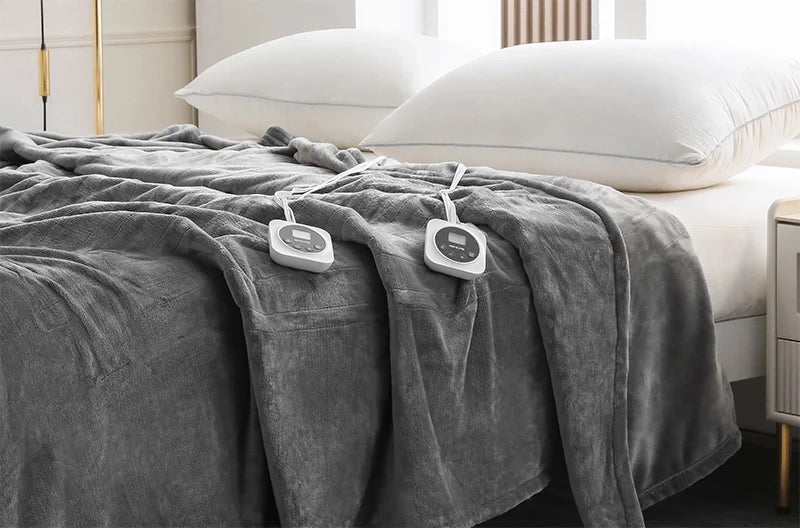
Keep Your Furry Friends Cozy with Homlyns Electric Heated Throw
Learning how to create a pet-friendly home takes thoughtful planning, but the payoff is a safer, happier environment for everyone. From pet-proofing each room to choosing durable materials, these changes protect your animals while maintaining a stylish living space.
Key takeaways:
-
Assess your home at the pet level to identify hidden hazards
-
Secure trash cans, electrical cords, and toxic plants in every room
-
Choose pet-friendly materials like luxury vinyl plank and performance fabrics
-
Create designated spaces where pets feel secure and comfortable
-
Adapt outdoor areas with secure fencing and shaded rest zones
-
Tailor your approach to your specific pet's species and needs
-
Establish regular cleaning routines to manage pet hair and maintain hygiene
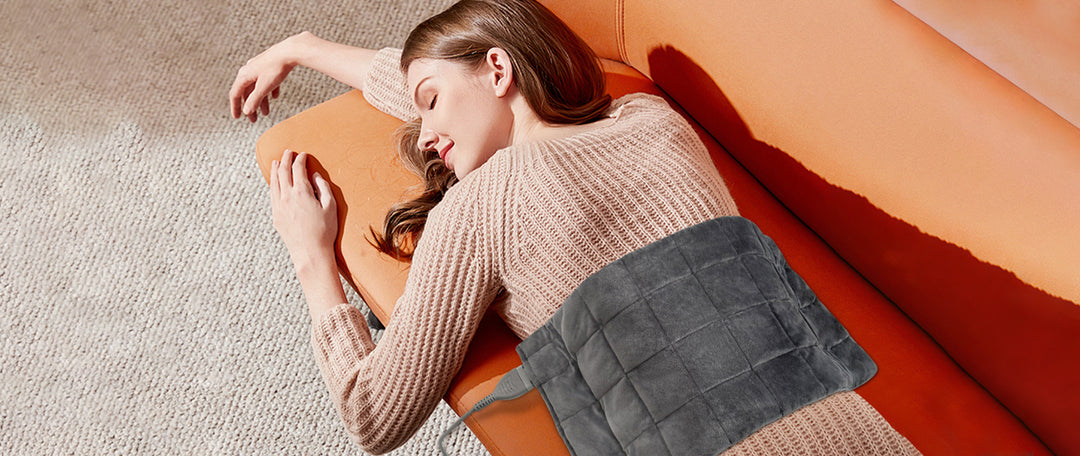
Complete your pet-friendly home with the Homlyns Electric Heated Throw, perfect for creating a warm, cozy spot where your furry friends can curl up safely. With five heating levels and a 3-hour auto-off feature, it provides comfort without worry. This is a great design choice that helps keep your pets warm and comfortable, and it comes in a variety of styles that can complement your home’s interior design and look. Wondering about safety? Learn more about whether heated blankets are safe for pets.


Leave a comment