



How to Create a Reading Nook in Any Corner of Your Home
You don't need a library. You need about three feet by three feet.
That's genuinely enough for a chair, a lamp, and a small shelf. The reason most reading corners go unused isn't size. It's that the seating hurts after 20 minutes, or the light makes you squint, or your phone is sitting right there.
Let's carve out your corner.
Find the Right Spot
The best reading space is the one tucked away from household traffic. A low-distraction setting is what separates a real nook from a chair nobody sits in.

Follow the Natural Light
Designers consistently point to windows first. Natural light is ideal for daytime reading, and a window seat or built-in bench is one of the most beloved reading nook designs for good reason.
No window? No problem. Add shelving and finish with a wall sconce to create a cozy corner anywhere.
Unused Space Worth Claiming
|
Location |
Why It Works |
|
Bay window |
Built-in alcove plus natural light and a view |
|
Quiet corner of the bedroom |
Already private, away from the main living space |
|
Under the stairs |
Dead square footage with built-in enclosure |
|
Behind the sofa |
An unused corner hiding in plain sight |
|
Closet conversion |
Remove the doors, add cushions and lighting |
|
Spare dining room corner |
Rarely used outside mealtimes |
|
Hallway wall |
A shallow bench turns a transit space into a reading spot |
|
Attic or landing |
Off the beaten path by design |

💡 Pro tip: Before you buy anything, sit in the spot with a good book for 15 minutes. Noise, glare, and foot traffic show up fast. Better to learn that now than after you've bought the chair.
Choose Comfortable Seating
The seat is the heart of any reading nook. Everything else is supporting cast.
Options by Space and Style
-
Comfy armchair: The classic corner reading chair. Look for a high back and arm support.
-
Window seat or built-in bench: Saves floor space and offers hidden storage underneath.
-
Daybed or mattress-sized seating: Room to fully spread out, and it doubles as a guest bed.
-
Floor cushions and poufs: Bohemian, flexible, and budget-friendly.
-
Slim-profile chair: Best for a genuinely small space where a bulky armchair won't fit.

What to Look For
Prioritize posture support, not just softness. A chair that swallows you looks inviting and leaves your back aching by chapter three.
-
Choose a chair with a high back that supports your head and neck.
-
Add an ottoman for full relaxation and leg support.
-
A reading pillow with arms works well for bed-based nooks.
-
Pick furniture that complements your existing decor style so the nook feels intentional.

Get the Lighting Right
Lighting makes or breaks a reading nook. Get it wrong and you'll never sit there twice.
Layer Three Types of Light
|
Layer |
Purpose |
Examples |
|
Natural light |
Daytime reading, best quality |
Windows, skylights |
|
Task lighting |
Focused light on the page |
Floor lamps, table lamps, wall sconces |
|
Ambient lighting |
Softens contrast, sets the mood |
Dimmable overhead light, string lights |

Reading in a dark room with one bright lamp creates harsh contrast that tires your eyes fast. That's why the ambient layer matters.
Brightness and Color Temperature
Lighting experts generally recommend 300 to 500 lux on the reading surface for comfortable reading, with detailed tasks calling for more.
For color temperature, 2700K to 3000K warm white suits relaxed evening reading. Cooler light around 4000K boosts focus for daytime sessions.
Positioning Matters
-
Place your floor lamp behind and above your shoulder so the bulb isn't in your sightline.
-
Angle the light slightly to avoid glare on glossy pages.
-
Choose dimmable fixtures for evening flexibility.
-
Skip overhead-only lighting, which casts shadows and covers unevenly.
Renting? A plug-in wall sconce frees up floor and table space without any wiring. You can even mount battery-operated puck lights inside decorative sconces for the hardwired look.
Add Storage and Surfaces
A nook without a surface means balancing your tea on the armrest. Not ideal.
The Essential Side Table
A small side table holds your current reads, a drink, your reading glasses, and whatever snack you've talked yourself into. Keep it within arm's reach of the chair.

Smart Storage Ideas
-
Floating shelves maximize vertical space without eating floor area.
-
Built-in benches hide storage for blankets and books underneath.
-
Baskets and bins stop clutter from piling up around the chair.
-
Storage ottomans double as footrests and blanket stashes.
-
A magazine rack keeps periodicals from stacking on the floor.
-
Bookshelves keep favorite books organized and visible.

💡 Pro tip: Organize books by color for visual appeal, or turn spines inward for a calmer, less busy look. Both work. Pick the one that matches your style.
Layer Textiles and Personal Touches
This is where a chair in a corner becomes a place you actually want to be.
Soft Layers That Invite You In
-
An area rug defines the reading space and adds warmth underfoot.
-
Decorative pillows in linen or cotton add comfort and personality.
-
A chunky knit throw blanket draped over the arm signals "sit here."
-
A small sheepskin layered over your existing rug adds instant softness.

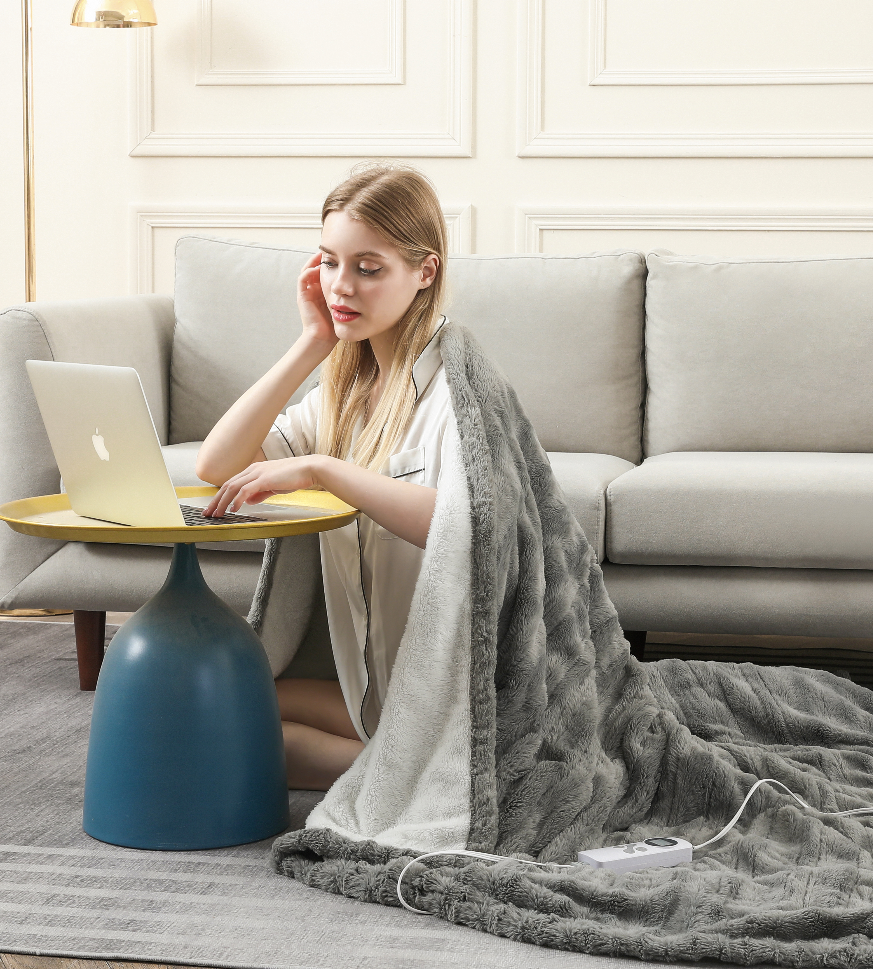
Cold corners are the quiet killer of reading nooks, especially near windows in winter. A heated throw solves that without space heaters or turning up the whole house.
Our electric heated throw collection is built for exactly this kind of spot. The Ribbed Faux Fur Heated Throw Blanket suits a reading chair particularly well, with multiple heat settings and an auto-off timer that keeps running if you doze off mid-chapter.
For styling ideas, see how to style a throw blanket.

Make It Yours
-
Wall art or a small gallery wall above the chair
-
Plants for life and color, with low-light indoor plants for darker corners
-
A candle or diffuser to add scent and signal wind-down time
-
A mirror to visually expand a tight space and bounce light around
-
A curtain or decorative screen to separate the nook from a larger room
Lighting shapes mood more than most people realize. Our guide to how lighting affects mood goes deeper.

Small Space and Kids' Nook Ideas
Here are the ideas:
Working With Very Little Room
A space as small as three feet by three feet works if the seating fits comfortably and the lighting is good.
-
Go vertical with shelving instead of wide bookcases.
-
Use a clamp lamp on an existing shelf to skip the floor lamp entirely.
-
Try a portable pouf you can move around the house.
-
Paint a color-blocked arch behind the chair to define the zone without furniture.
-
Use a rug to anchor the space visually.

Reading Nooks for Kids
Kids need the same things adults do, just scaled down and a bit more forgiving.
-
Soft floor seating, bean bags, and oversized cushions
-
A low shelf so books are genuinely within reach
-
A canopy or fabric draped from the ceiling for that fort feeling
-
Let them personalize it with their own artwork and favorite stuffed animals
-
A small chalkboard where they write their current read
Build Your Cozy Corner With Homlyns
A reading nook doesn't need square footage or a designer. It needs a comfortable seat, light that doesn't fight you, and a few touches that make it feel like yours.
Here are the key takeaways:
-
Three by three feet is enough if the seating and light are right
-
Chase natural light first, then layer in task and ambient lighting
-
Aim for 300 to 500 lux with warm 2700K to 3000K bulbs for evening reading
-
Keep a side table and storage within arm's reach
-
Textiles and personal touches turn a chair into a retreat
Nothing finishes a reading nook like the right blanket. Homlyns heated throws keep your corner warm through winter without heating the entire house, and they come in plush faux fur, flannel, and sherpa. Browse the electric heated throw collection and settle in.
FAQs
What is a reading nook?
A reading nook is a small, dedicated space for reading, usually a quiet corner with comfortable seating, good lighting, and books within reach.
How do you make a reading corner in a small bedroom?
Use a slim chair or floor cushion in an unused corner, add a clamp lamp or wall sconce, floating shelves above, and a rug to define the space.
What should you put in a reading corner?
Comfortable seating, a task lamp, a small side table, storage for books, an area rug, plus pillows and a throw blanket for comfort.
What lighting works best in a reading nook?
Layered lighting. Natural light by day, a floor or table lamp behind your shoulder for tasks, and soft ambient light to reduce harsh contrast.
Can you create a reading nook without renovating?
Yes. A chair, a plug-in sconce or floor lamp, a rug, and a small shelf create a full nook with zero construction.
How do you make a reading corner for kids?
Use soft floor seating, a low bookshelf they can reach, a fabric canopy for fort appeal, and let them decorate it with their own art.


Leave a comment