


Why Do Bed Sheets Pill and How to Get Rid of Pilling?
Have you ever taken freshly washed sheets out of the dryer and noticed tiny fuzzy balls covering the surface? This common issue is called fabric pilling, and it can make bedding look old and worn.
The good news is that pilling does not always mean your sheets are low quality. It is usually caused by a combination of friction, fiber type, fabric construction, and washing habits.
In this guide, you’ll learn why bed sheets pill, which materials resist pilling best, how to remove fabric pills, and how to keep your sheets smooth for longer.
What Is Bed Sheet Pilling?
Pilling occurs when loose fibers on the surface of a fabric become tangled together, forming small balls or clusters known as pills.

Source: By Ryj - Own work, CC BY-SA 3.0, https://commons.wikimedia.org/w/index.php?curid=4056760
These tiny balls are created through repeated rubbing or abrasion. As you sleep, move around in bed, wash your sheets, or tumble them in the dryer, fibers gradually loosen and wrap around each other. Once formed, pills remain attached to the fabric until they wear away or are removed.
Pilling is different from shedding. New sheets may shed loose fibers during the first few washes, but shedding usually decreases over time. Pilling, on the other hand, creates visible fuzzy balls that stay attached to the fabric surface.
Is Pilling Normal?
Yes. Most fabrics experience some degree of pilling throughout their lifespan.
Even premium sheets made from natural fibers may develop minor pilling after months or years of use.
Heavy pilling after only a few washes, however, may indicate lower-quality fibers or improper care.
What Causes Bed Sheets to Pill?
Several factors contribute to pilling, and it’s often a combination of these rather than a single cause.
1. Friction During Sleep
As you toss and turn, your body, pajamas, blankets, and mattress protector rub against the fabric, causing surface fibers to loosen. Areas under the most pressure—such as the center of the fitted sheet, hips, shoulders, and feet—typically pill first.

2. Fiber Quality
Fiber quality has a major impact on pilling resistance. Long-staple cotton, such as Egyptian, Pima, and Supima® cotton, has smoother, stronger fibers that stay tightly woven. In contrast, short-staple cotton contains shorter fibers that loosen more easily, making lower-quality sheets more prone to pilling.

3. Polyester and Synthetic Blends
Polyester and other synthetic fibers are durable but tend to hold onto loose fibers instead of shedding them. As a result, sheets made from polyester, cotton-polyester blends, or low-quality microfiber often develop more visible and longer-lasting pills.

Source: https://sewport.com/fabrics-directory/polyester-fabric
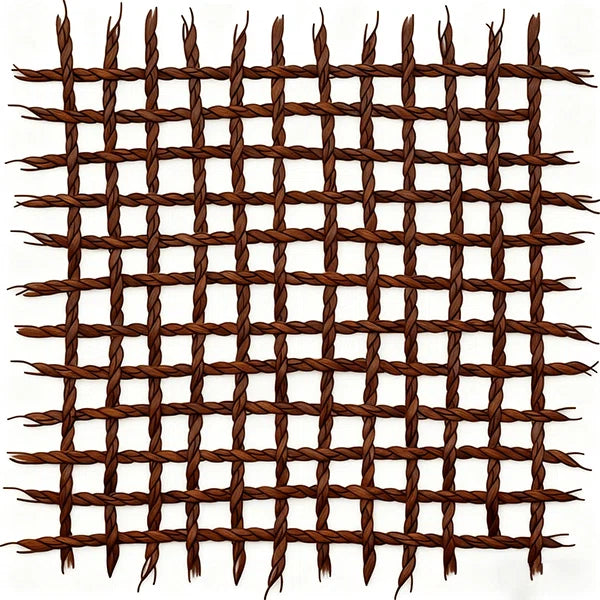
4. Thread Count
A higher thread count doesn’t necessarily mean better-quality sheets. Some manufacturers use multi-ply yarns to increase the thread count, but these can pill more easily than single-ply yarns made from long-staple fibers. A well-made 300-thread-count sheet may outperform a poorly made 800-thread-count sheet.
5. Improper Washing
Harsh washing habits accelerate fiber wear. Washing sheets with towels or jeans, using hot water, overloading the washer, adding too much detergent, or drying on high heat all increase abrasion and encourage pilling.

6. Rough Surfaces
Pilling can also result from contact with rough materials, including textured mattress protectors, wool blankets, pet claws, dry skin, and long toenails. Minimizing friction helps keep sheets smoother for longer.

Which Bed Sheet Materials Pill the Most?
Different materials vary greatly in their resistance to pilling.
|
Material |
Pilling Resistance |
Notes |
|
Polyester |
Low |
Pills easily because fibers don’t break away. |
|
Microfiber |
Low to Moderate |
Quality varies widely. |
|
Cotton-Poly Blend |
Moderate |
Better than polyester alone but still prone to pilling. |
|
Short-Staple Cotton |
Moderate |
Lower-quality cotton pills sooner. |
|
Bamboo Viscose |
Moderate to High |
Depends on fiber quality and weave. |
|
Long-Staple Cotton |
High |
Smooth, durable, and resistant to pilling. |
|
Linen |
Excellent |
Naturally strong fibers rarely pill. |
Linen and long-staple cotton are among the best choices for resisting pilling because their fibers are longer and stronger.
How to Get Rid of Pilling on Bed Sheets
Fortunately, removing pills is easy with the right tools.
1. Use a Fabric Shaver
A fabric shaver is the quickest and safest option. It gently trims pills from the fabric surface without damaging the weave.

To use one:
-
Lay the sheet flat.
-
Pull the fabric taut.
-
Move the shaver slowly across the surface.
-
Empty the lint container regularly.
This method restores a smoother appearance within minutes.

Before and after shaving
Source: By Jspark93 - Own work, CC BY-SA 3.0, https://commons.wikimedia.org/w/index.php?curid=58122395
2. Try a Fabric Comb
Fabric combs or sweater combs are another effective solution. These tools lift and remove larger pills without using blades, making them ideal for delicate fabrics.
Work in one direction using gentle pressure to avoid snagging the fabric.

3. Use a Disposable Razor Carefully
If you don’t own a fabric shaver, a clean disposable razor can work.
Place the sheet on a flat surface and gently shave across the pills using very light pressure.
Be careful not to cut or snag the fabric.
This method works best for thicker cotton sheets rather than lightweight or delicate fabrics.

4. Remove Pills by Hand
For small areas of pilling, simply pick the pills off with your fingers.
Although time-consuming, this method avoids any risk of damaging the fabric.

5. Use a Lint Roller
A lint roller won’t remove tightly attached pills, but it can collect loose fuzz after using another removal method.

How to Prevent Bed Sheets from Pilling
Preventing pilling is much easier than constantly removing it.
1. Choose Better Sheet Materials
When shopping for new bedding, look for:
-
Long-staple cotton
-
Egyptian cotton
-
Pima cotton
-
Supima cotton
-
Linen
-
High-quality bamboo sheets
-
Single-ply yarn construction

Linen Fabric
Source: https://www.hawthornintl.com/fabric-guide
Avoid purchasing sheets based solely on thread count.
2. Wash Sheets Separately
Wash bedding separately from rough fabrics such as:
-
Towels
-
Jeans
-
Sweatshirts
-
Clothing with zippers or buttons
This reduces abrasion during the wash cycle.

3. Use Gentle Wash Settings
For most sheets:
-
Wash in cold or warm water.
-
Select a gentle cycle.
-
Use mild detergent.
-
Avoid excessive bleach.
-
Don’t overload the washer.
These practices reduce fiber damage over time.
4. Dry on Low Heat
High heat weakens fibers and increases wear.
Whenever possible:
-
Air dry your sheets.
-
Use a low dryer setting.
-
Remove sheets promptly once dry.
-
Avoid over-drying.
5. Rotate Multiple Sheet Sets
Using two or three sheet sets allows each one to rest between washes.
Less frequent laundering means less friction and longer-lasting fabric.

6. Reduce Friction
Simple habits can also help.
Consider:
-
Trimming pet nails
-
Moisturizing dry skin
-
Avoiding rough blankets directly against fitted sheets
-
Keeping feet smooth to reduce abrasion

Can Pilling Be Fixed Permanently?
Unfortunately, no.
Removing pills restores the appearance of the fabric, but it doesn’t stop new pills from forming if loose fibers remain.
The best long-term strategy combines:
-
Buying higher-quality sheets
-
Washing them properly
-
Reducing friction
-
Removing pills as they appear
Over time, high-quality sheets often stabilize, producing fewer new pills after the loose surface fibers have worn away.
Does Pilling Mean Your Sheets Are Poor Quality?
Not necessarily. Minor pilling can occur even with premium bedding after extended use.

However, excessive pilling shortly after purchase may indicate:
-
Short-staple fibers
-
Low-quality yarns
-
Poor manufacturing
-
Inferior fabric blends
Quality sheets should remain relatively smooth for many years with proper care.
When Should You Replace Pilled Bed Sheets?
Occasional pills aren’t a reason to replace your bedding.
Consider buying new sheets when you notice:
-
Persistent heavy pilling across large areas
-
Thin or transparent fabric
-
Holes or tears
-
Significant loss of softness
-
Loose elastic on fitted sheets
-
Fabric that no longer stays comfortable after shaving
If the structure of the fabric is wearing out, replacement is usually more practical than continued maintenance.
Final Thoughts
Pilling is a natural part of a bed sheet’s life cycle, but it doesn’t have to ruin your bedding. Most pills are caused by everyday friction, fiber quality, and laundering habits rather than a manufacturing defect.
Key Takeaways
-
Friction is the biggest cause of fabric pills.
-
Polyester and short-staple cotton pill the most.
-
Long-staple cotton and linen resist pilling best.
-
A fabric shaver removes pills quickly without damaging sheets.
-
Gentle washing and low heat help prevent future pilling.
While no fabric is completely immune to pilling, proper care can greatly reduce its appearance and extend the life of your favorite sheets.
FAQs
Why do my bed sheets pill after only a few washes?
Rapid pilling is often caused by short-staple fibers, polyester blends, excessive dryer heat, or washing sheets with rough fabrics such as towels and jeans. These factors increase friction and loosen surface fibers.
Does a high thread count prevent pilling?
No. Fiber quality and yarn construction are more important than thread count. Long-staple, single-ply cotton sheets with moderate thread counts often resist pilling better than high-thread-count sheets made from lower-quality fibers.
Do 100% cotton sheets pill?
Yes. All cotton sheets can pill to some extent. However, long-staple cotton varieties such as Egyptian, Pima, and Supima® cotton are much less likely to pill because their fibers are longer and stronger.
What bed sheet material doesn't pill?
Linen and long-staple cotton, including Egyptian, Pima, and Supima® cotton, are among the most resistant to pilling. Their longer fibers create smoother, stronger fabrics that handle friction better.
Can fabric softener prevent pilling?
Fabric softener may temporarily reduce friction, but it cannot prevent pilling caused by poor fiber quality or excessive abrasion. Overusing fabric softener may also leave residue that affects fabric performance.
Is it safe to shave pills off bed sheets?
Yes. Using a fabric shaver designed for textiles is generally the safest and most effective way to remove pills without damaging the fabric. Always use gentle pressure and follow the tool instructions.
Why does only my fitted sheet pill?
The fitted sheet usually experiences the most pressure and movement because it supports your body weight during sleep. This extra friction makes it more likely to develop pills than flat sheets or pillowcases.



Leave a comment